The Semiotics of a Stay: Reading the Unspoken Language of Luxury Hospitality
Before we enter a hotel, we begin to read it.
The front door offers the first clue. At a Vermont inn, it might be a painted colonial door set into a building that feels more like a grand house than a commercial property. In a city, it might be a revolving glass door with brass handles, announcing a different relationship to the street. One suggests arrival at someone’s home; the other, entry into a public institution. Neither tells the whole story, but each sets an expectation.
Then comes the lobby. Is it quiet enough to hear your footsteps, or animated by conversation? Does its fragrance announce itself? Where does the light fall? Is the front desk a prominent counter, a small table, or almost invisible? Can you see a bar full of people, or do you sense that the rooms beyond are deliberately private?
The stay is already speaking.
A hotel is read in moments
Semiotics is the study of how things carry meaning. In hospitality, those things include architecture and interiors, but also gestures, objects, sounds, and the order in which we encounter them.
Consider check-in. You might be escorted through the lobby and handed a weighty brass key while someone takes your luggage upstairs. Or you might receive a door code before arrival, let yourself in, and find a handwritten note waiting in the room.
The first experience speaks in the language of ceremony and service. The second might speak of ease, autonomy, and personal welcome. Either can feel luxurious. Either can also fall flat.
A door code followed by an empty, anonymous room can feel like a transaction. The same code followed by warm lighting, a thoughtfully stocked kitchen, and a note that anticipates why you came can feel like someone prepared the place specifically for you. Meaning comes from the relationship between the details.
Even the first thing a guest touches matters. It might be the cool stone of a reception counter, the grain of a wooden door, the barrel of a pen, or the weight of a key. These are small encounters, but they make an abstract promise physical.
Luxury has more than one vocabulary
We often recognize conventional signals of luxury: expensive finishes, generous proportions, attentive service. But those signals are culturally and geographically specific. They are not the only way a place can communicate care or value.
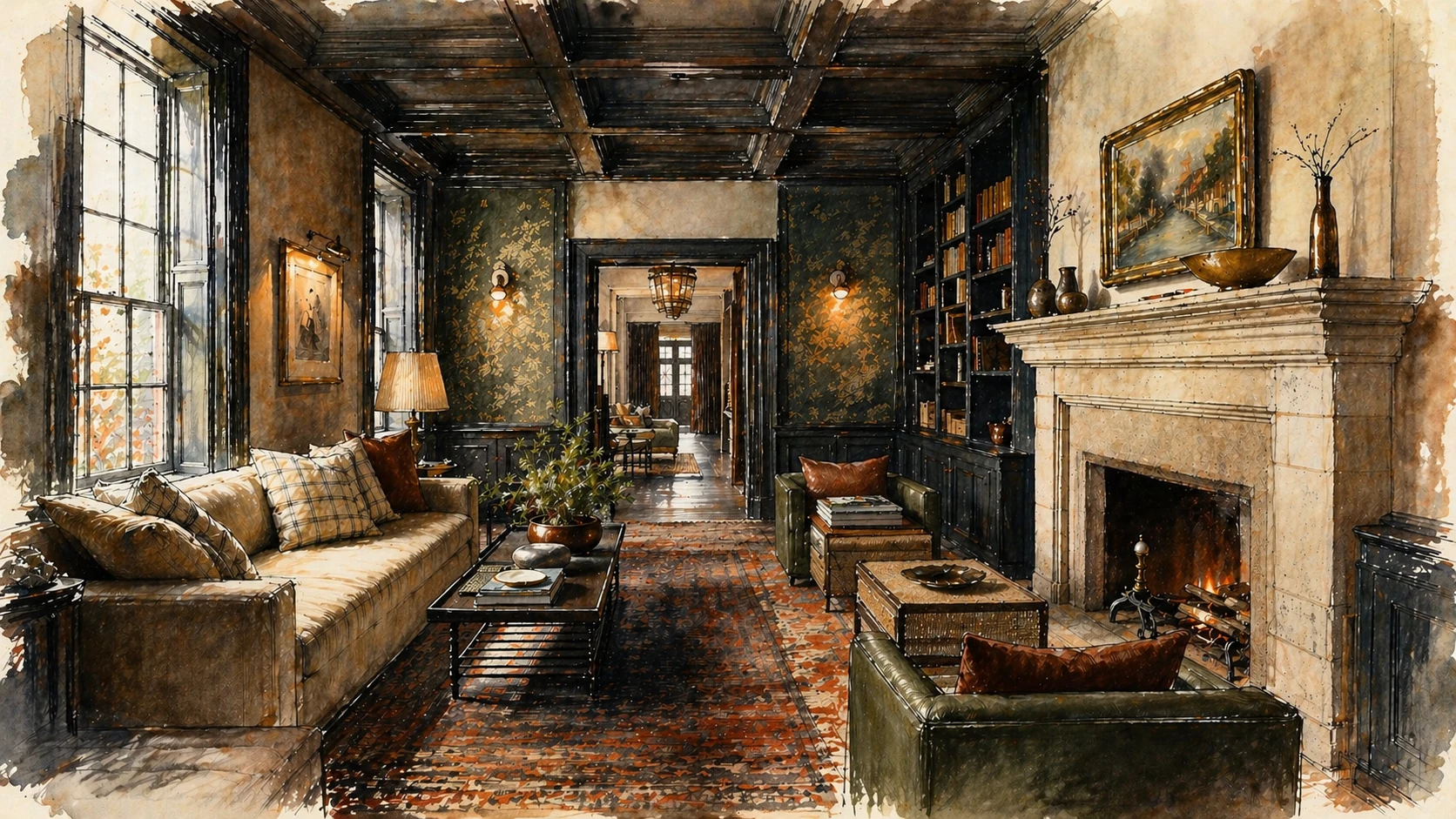
In a Vermont inn, rooms might be modest in size. Luxury could come through printed textiles, finely worked trim, inherited furniture, and the particular ease of a house that seems to have been lived in for generations. The appeal lies partly in continuity: the feeling that the place has a history you have been invited to enter.
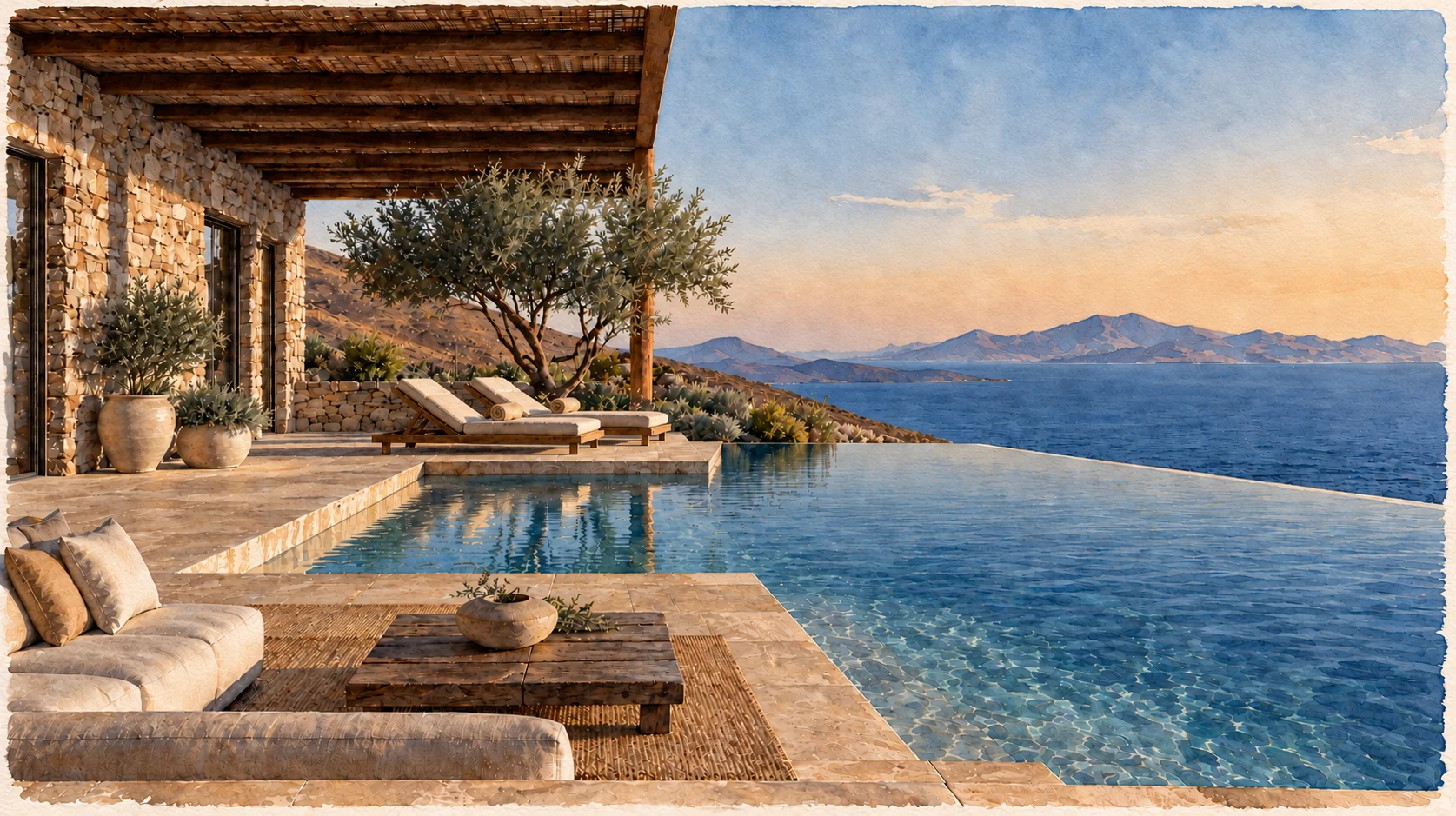
In the Cyclades, an equally compelling stay might use a quieter, more contemporary language. Plaster, stone, and restrained furnishings could draw attention to the landscape rather than compete with it. A carefully placed opening frames the sea; a shaded threshold makes the movement outdoors feel intentional. Here, luxury may be the clarity of the architecture and the chance to experience an ancient place through a distinctly modern point of view.
These places need not look or behave alike to be memorable. Each makes a set of choices about what deserves the guest’s attention.
When the story breaks
Guests may not consciously catalogue every cue, but they feel when those cues disagree.
A property might present itself as an intimate retreat while its arrival feels hurried and procedural. It might promise a deep connection to its setting, then furnish every room with objects that could have come from anywhere. A welcome cocktail may sound distinctive in the brand copy but arrive without any connection to the place, the season, or the rest of the experience.
Such details do not fail because they are insufficiently lavish. They fail because they interrupt the story the property has begun to tell.
Coherence does not mean repeating a motif on every surface. It means that architecture, service, objects, and experiences appear to arise from a shared point of view. The guest can sense a relationship among them, even if they never put it into words.
Begin with the person, then build the world
For a founder or developer, the work begins before selecting finishes or designing a logo. Who is this place for? What are those guests seeking that nearby properties do not quite give them? How should they feel as they arrive, settle in, spend time there, and leave?
The answers shape an experiential difference. From there, a story can guide the architecture, furnishings, materials, lighting, sightlines, amenities, and service. It can reach all the way to the pen at the front desk, the stationery in the room, the objects in the gift shop, and the welcome drink placed in a guest’s hand.
Those details may seem to sit at different scales, but the guest encounters them as one stay. Each is another sentence in the same conversation.
The most memorable hospitality experiences give us something to understand about a place and a way to feel while we are there. We read that meaning through a hundred small choices, beginning, often, with the front door.