Selected Interiors
The spatial foundation beneath the broader creative practice.
A concise edit of residential work across different architectures, moods, and ways of living. These projects show the interior-design thinking that continues to inform the hospitality and creative-direction work: proportion, material, light, furniture, art, and the choreography of how a room is actually inhabited.
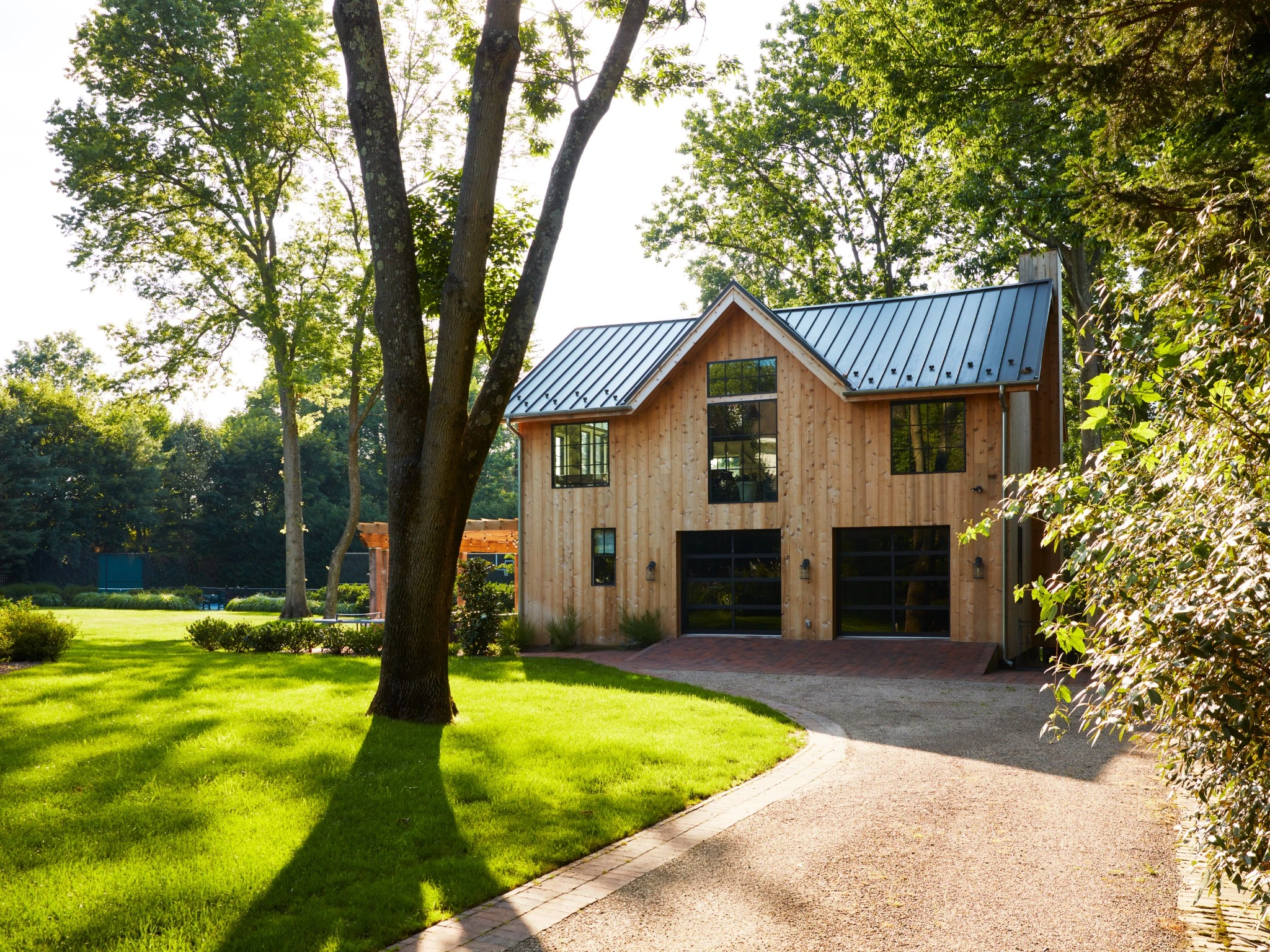
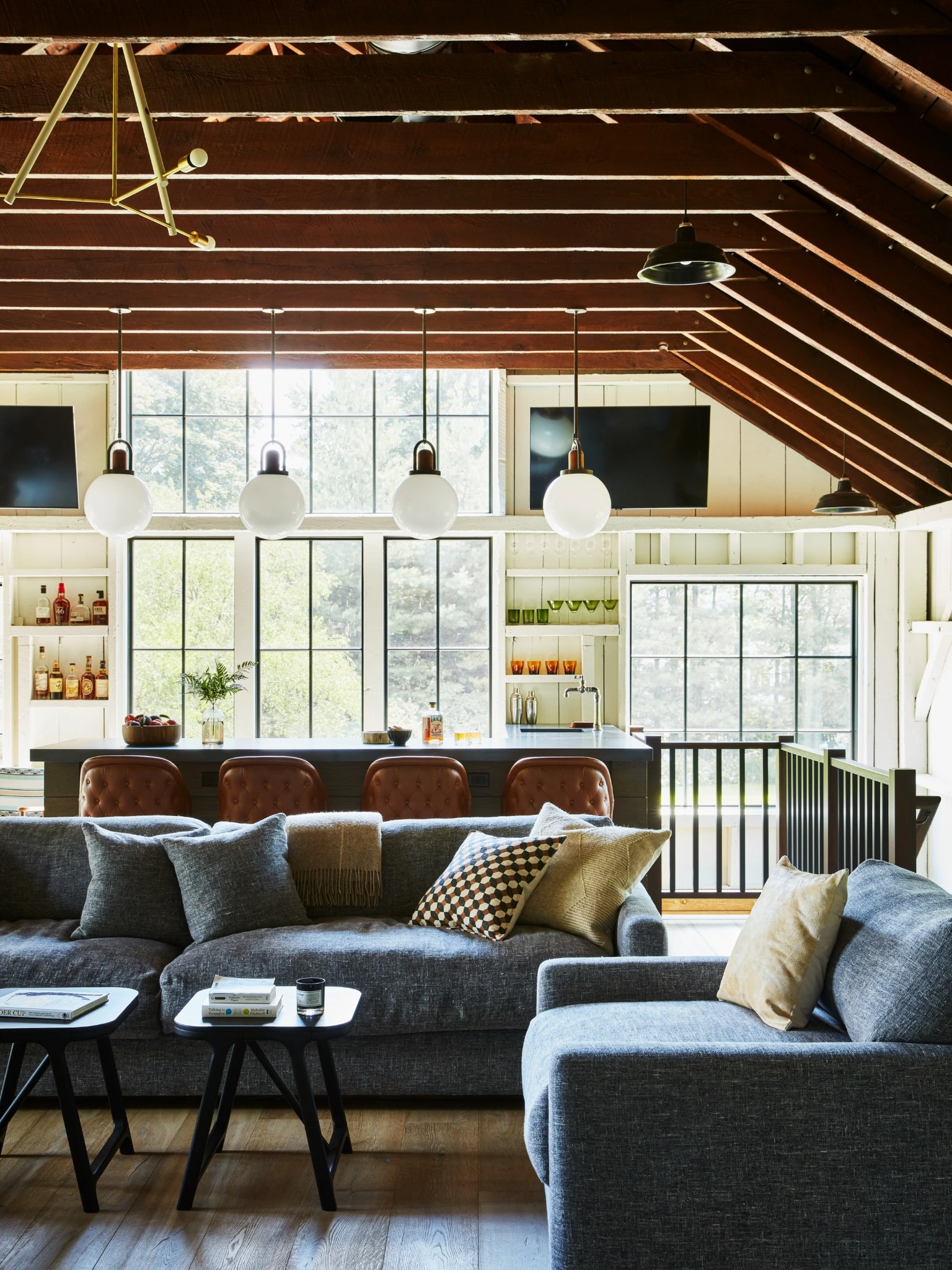
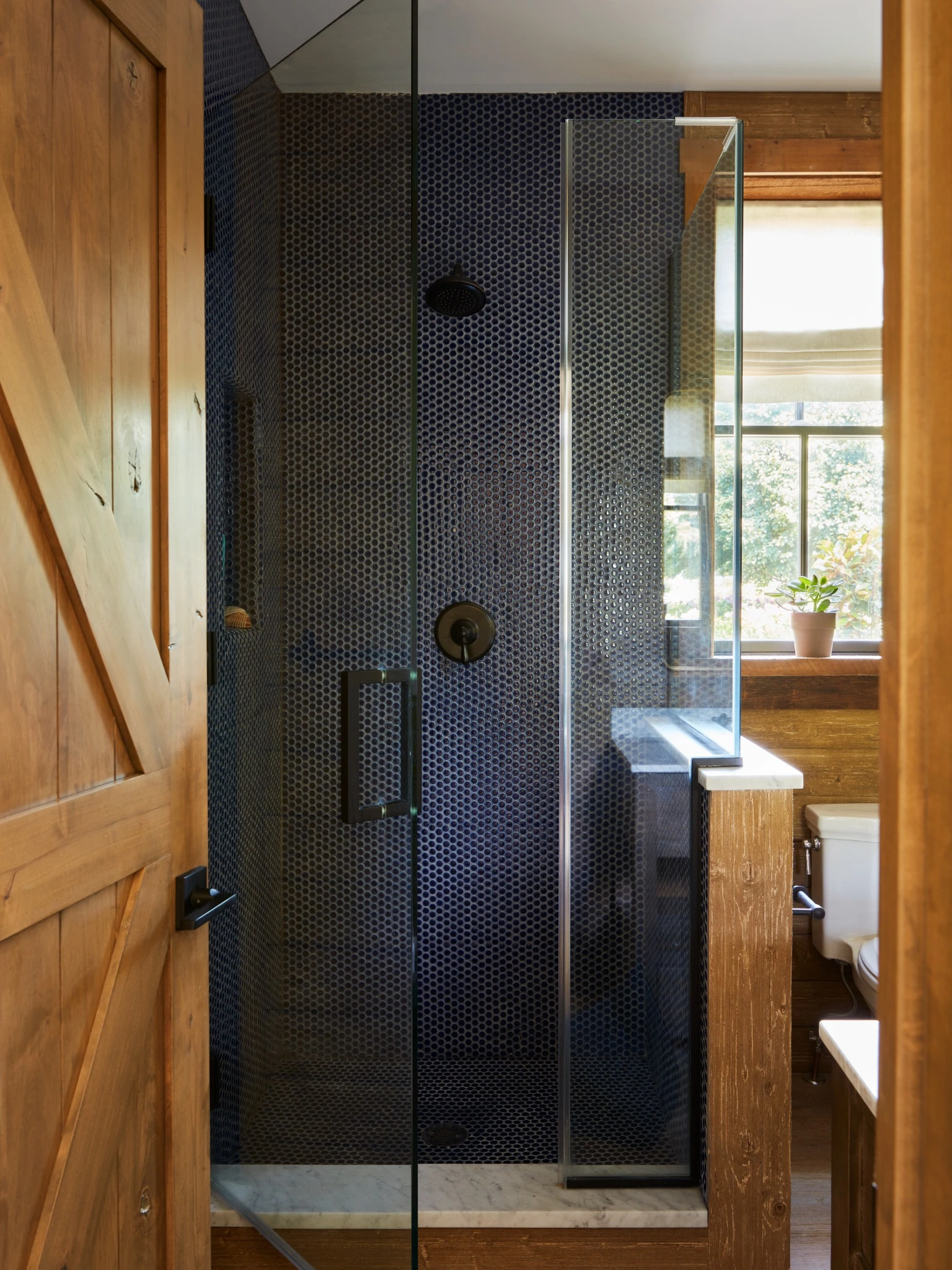
A barn-shaped room for gathering.
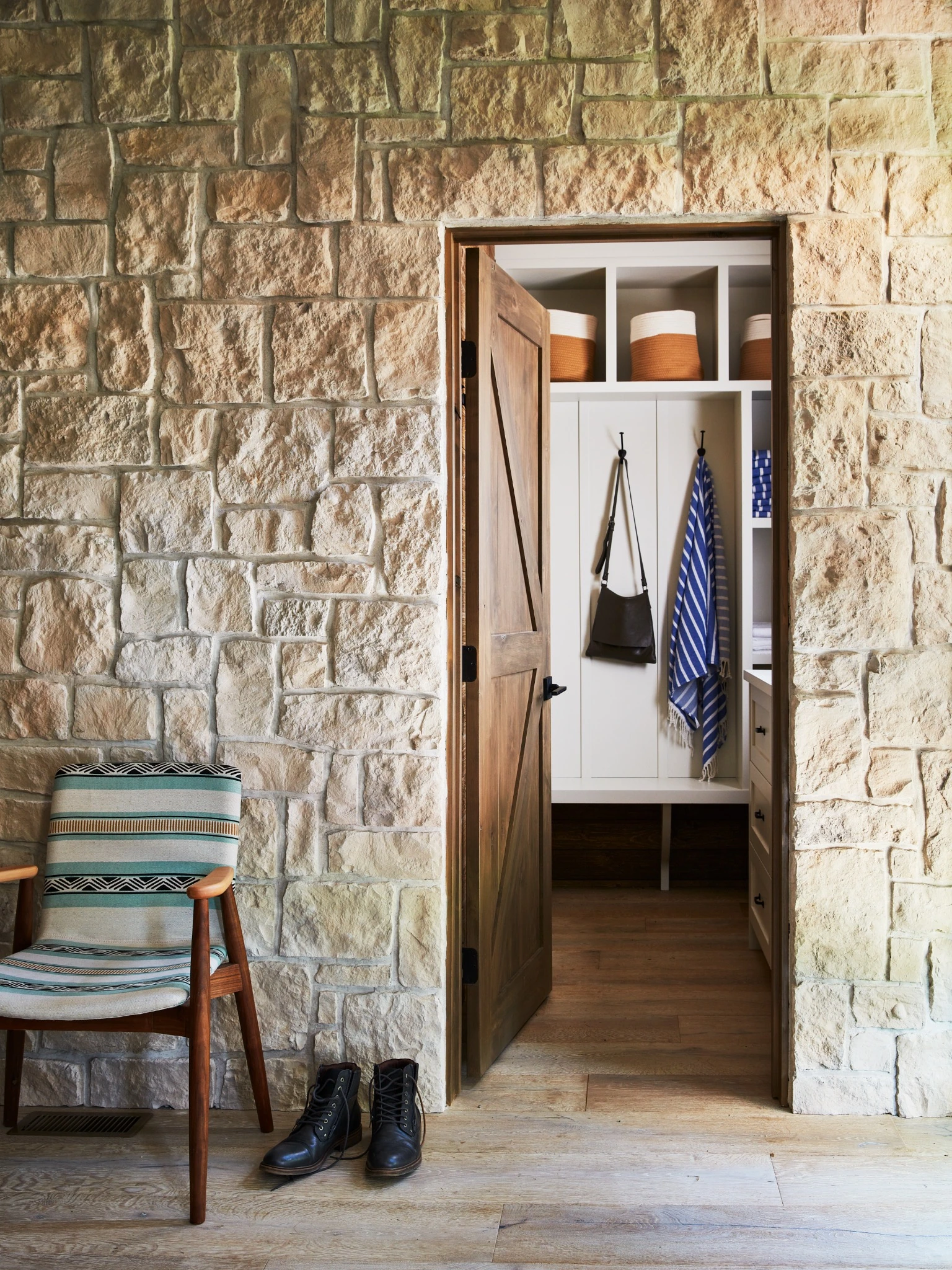
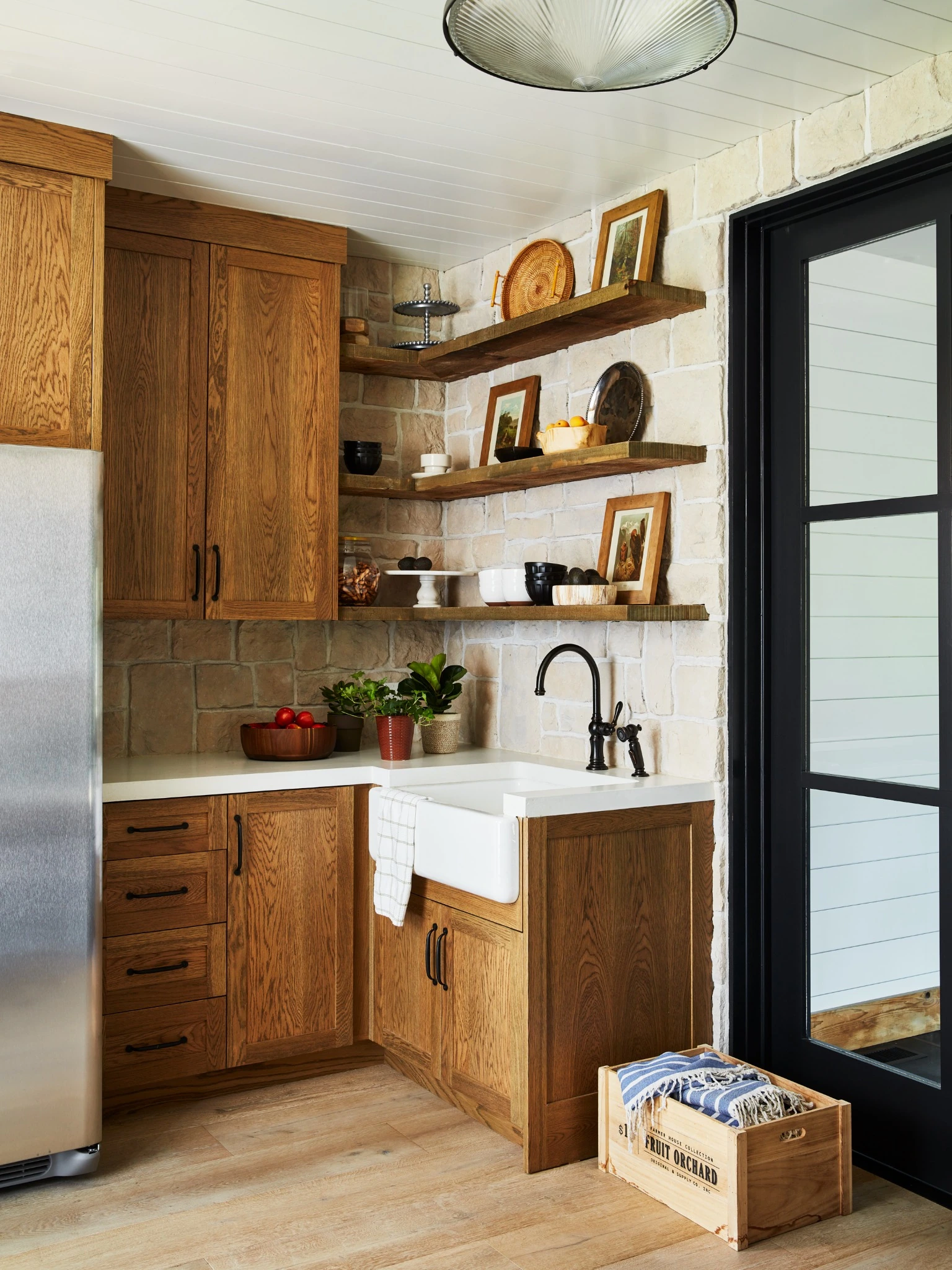
Scale and utility set the tone: exposed structure, oversized windows, a generous bar, durable finishes, and quieter material moments that keep the space from feeling purely recreational. The goal was a social room with the ease of a barn and the finish of a fully considered interior.

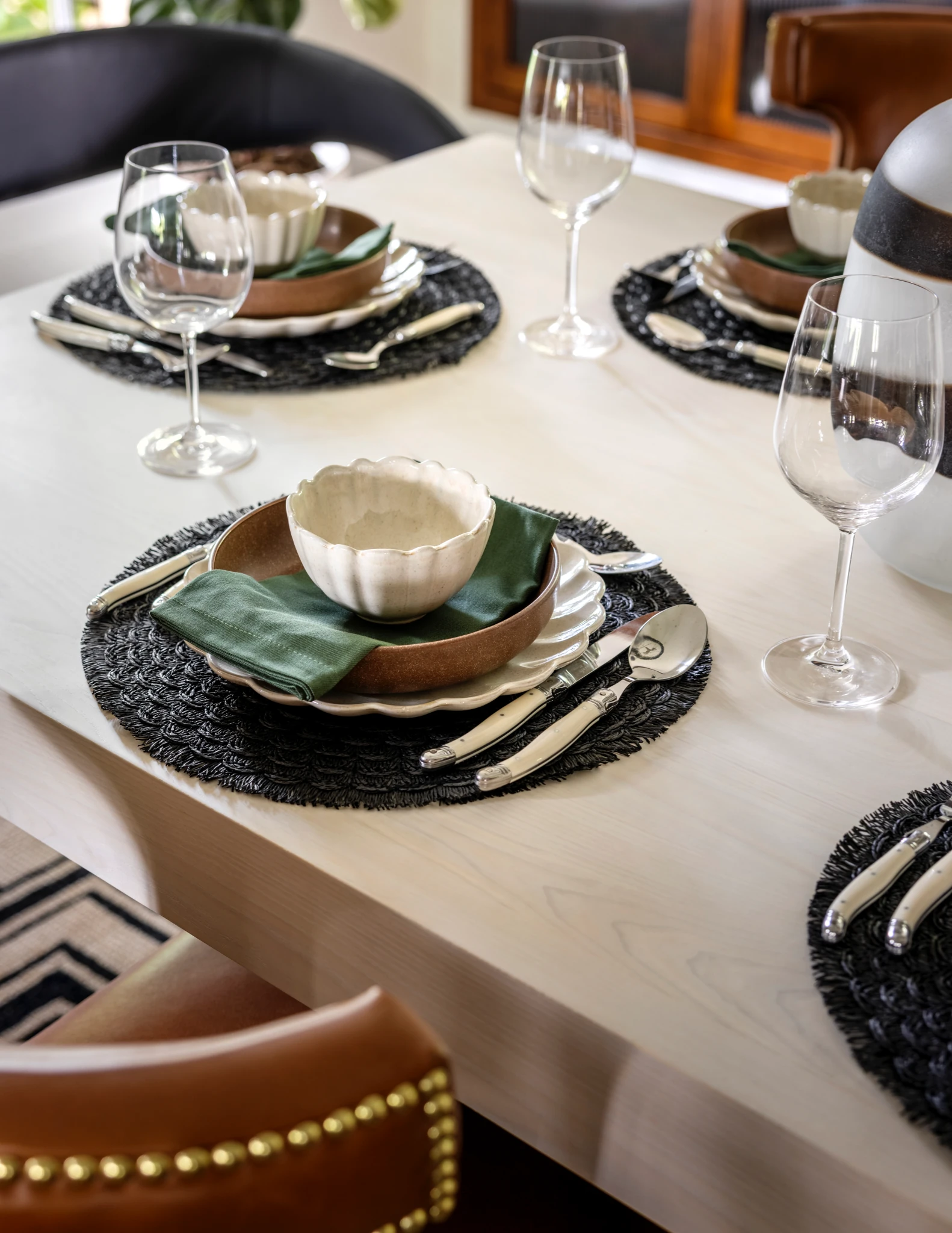
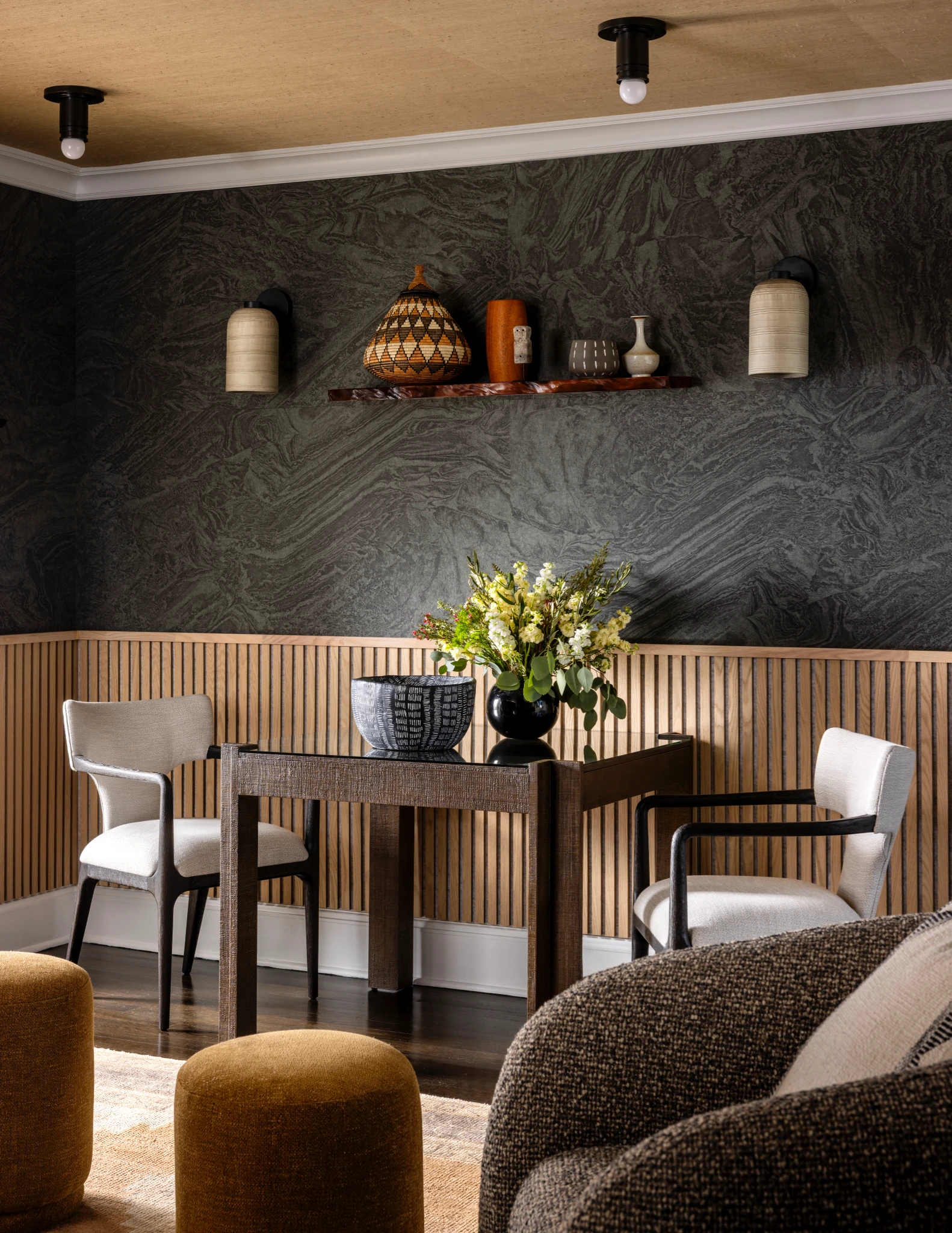
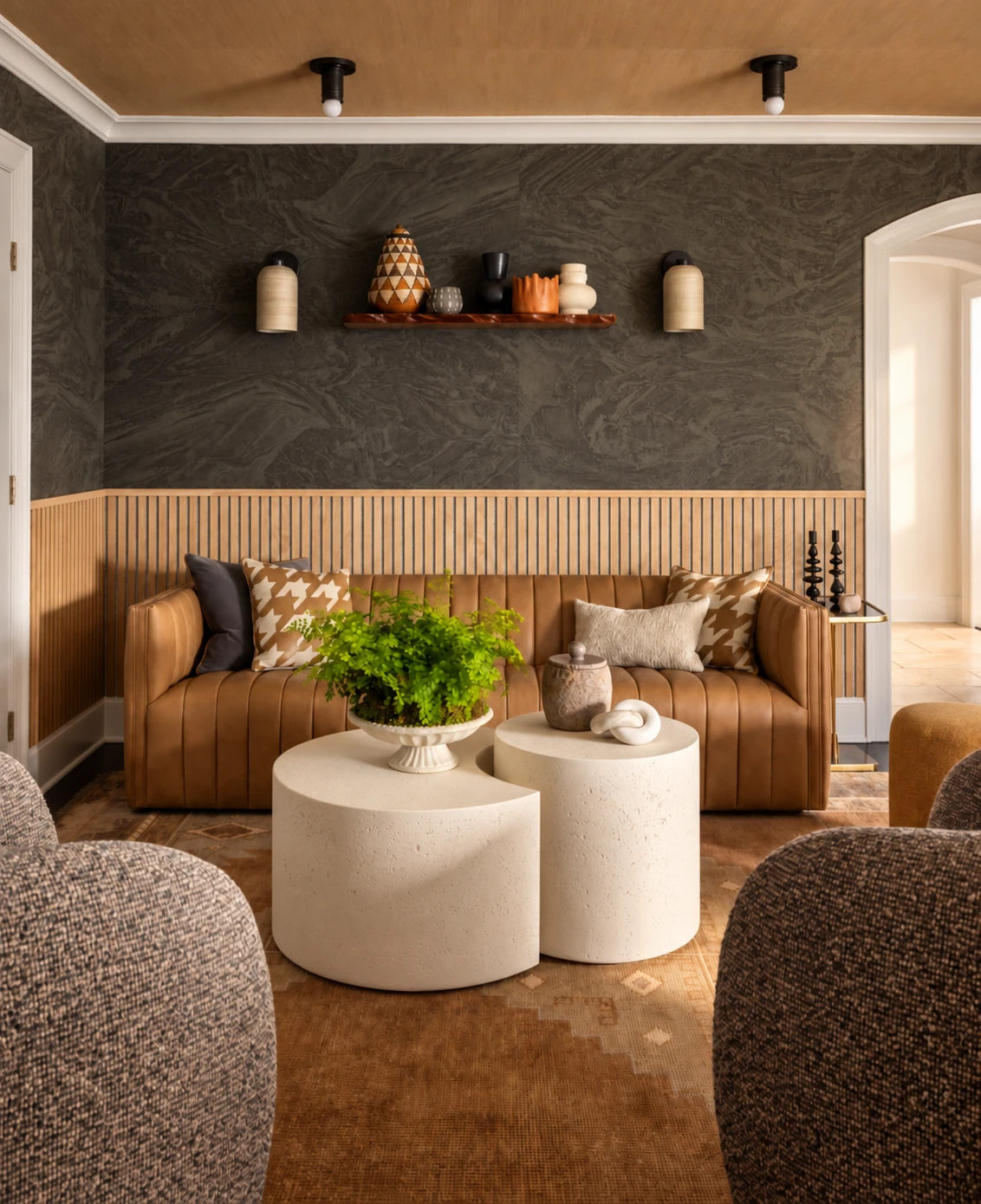
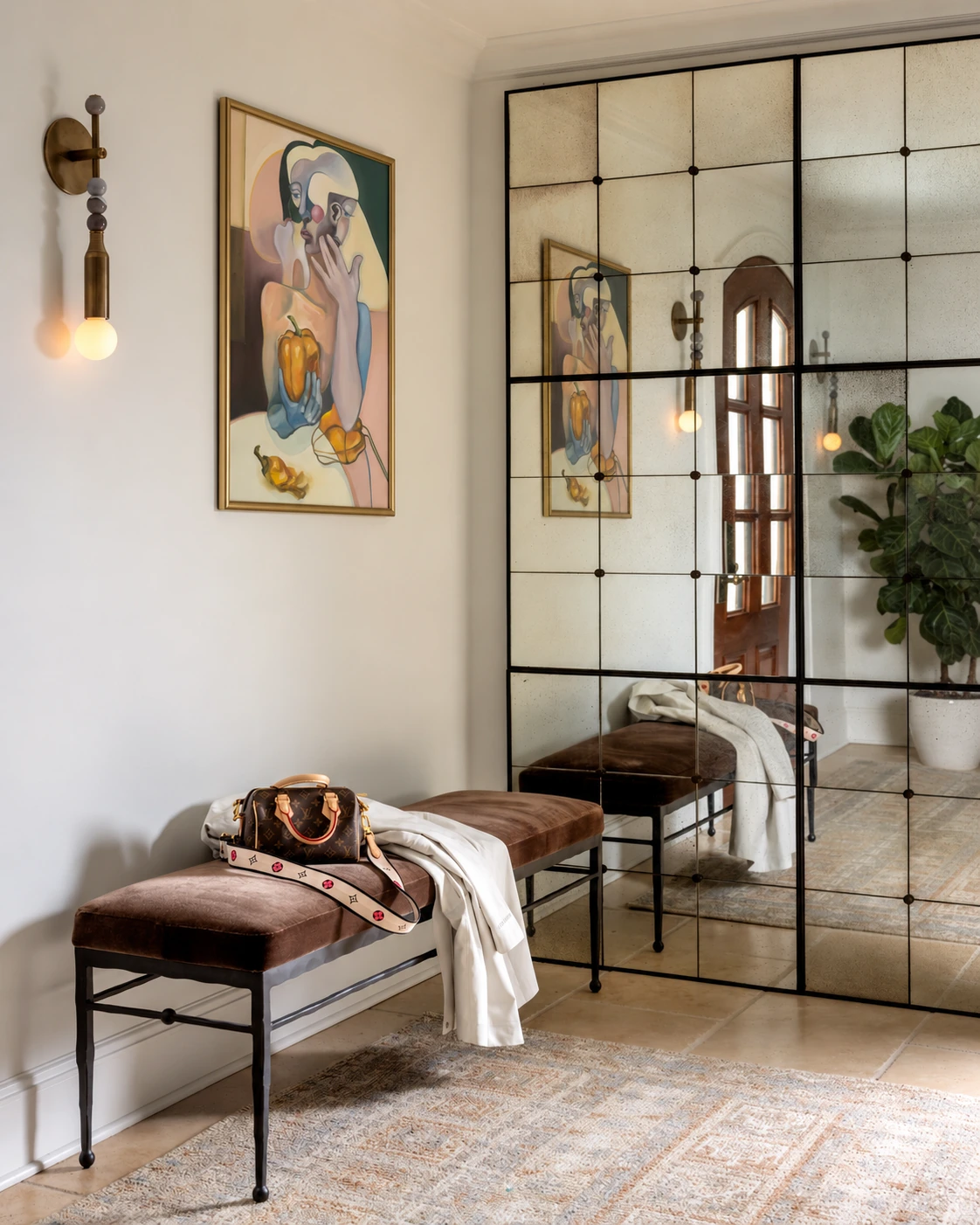
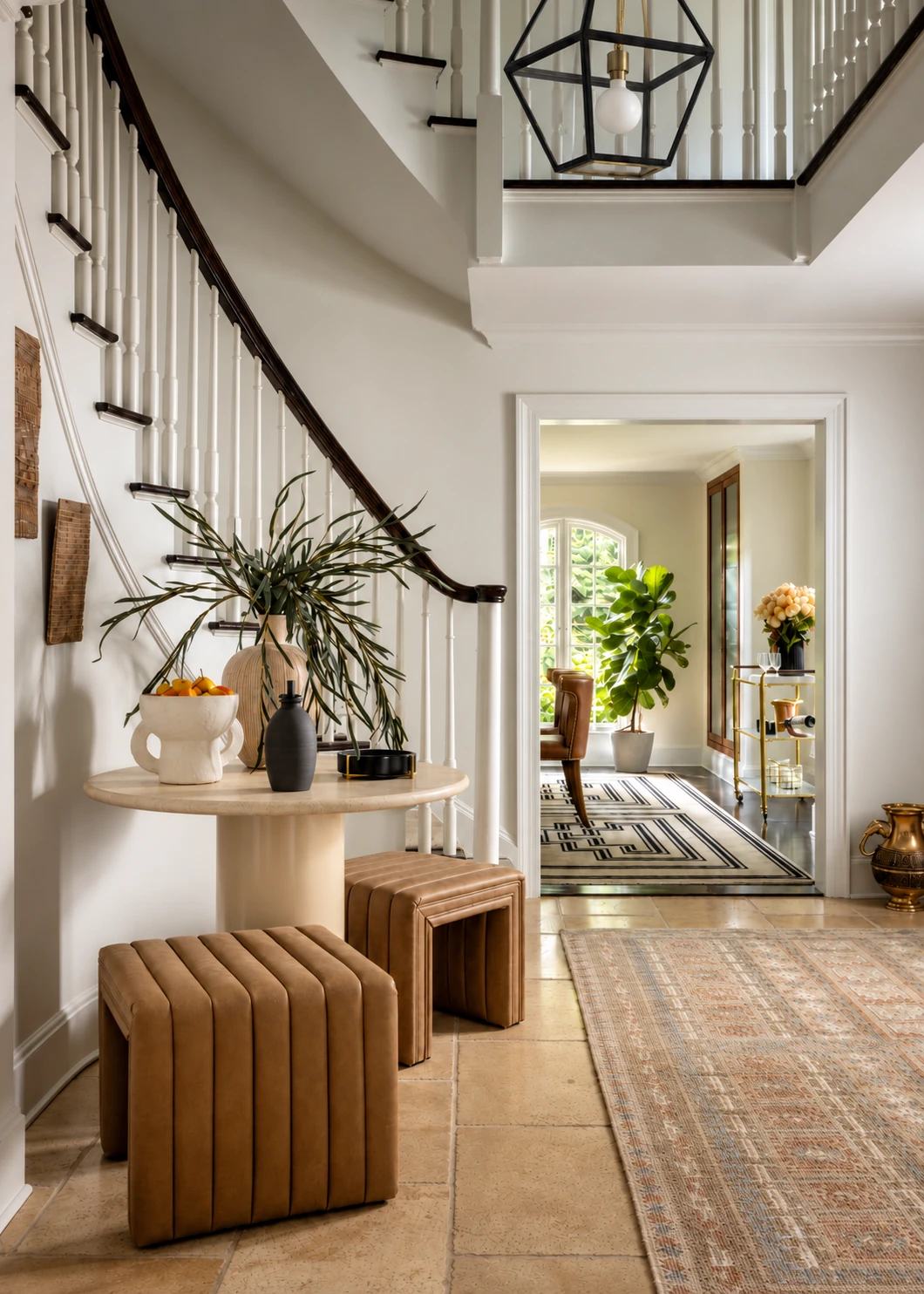
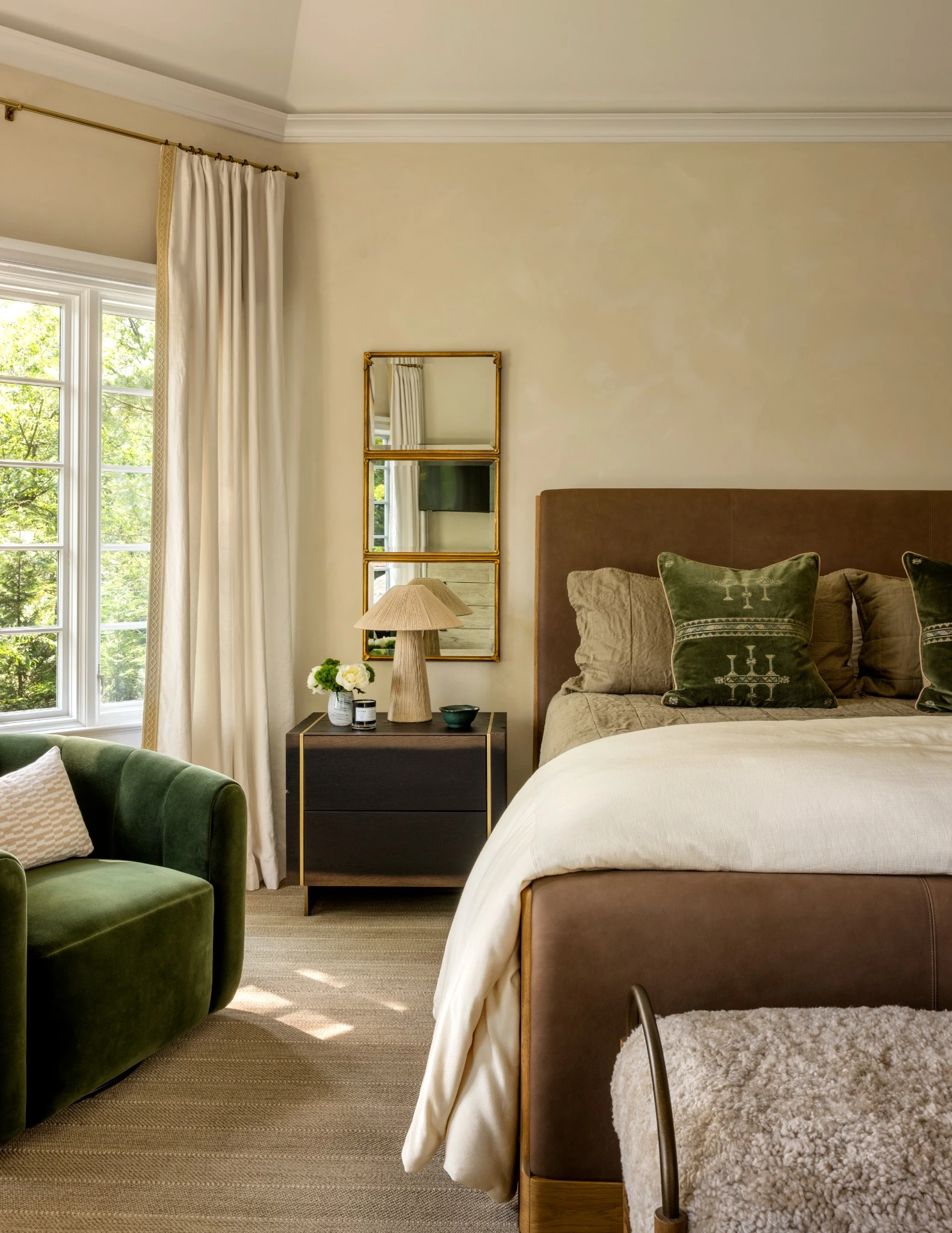
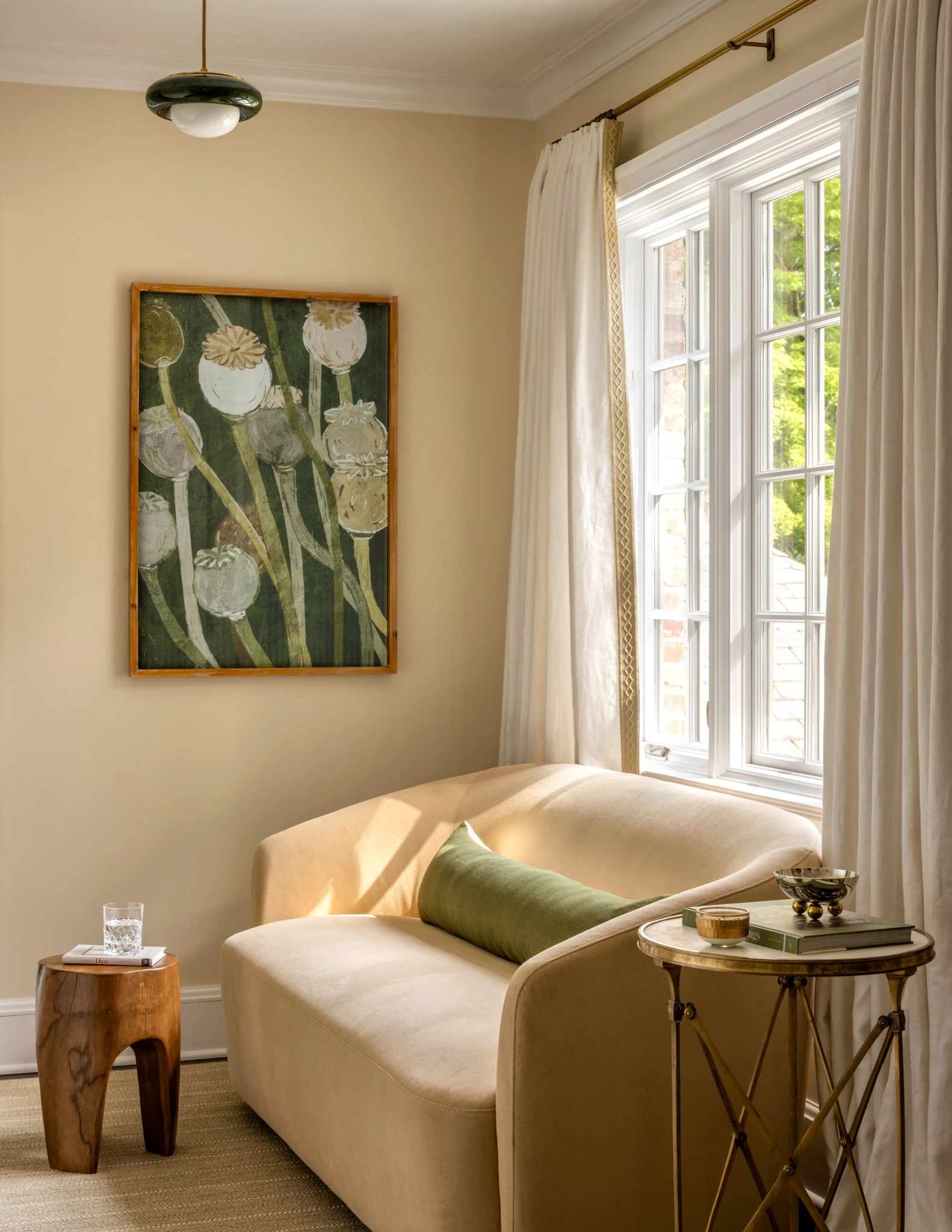
Sculptural warmth, graphic restraint.
A quiet neutral envelope is given definition through scale, silhouette, and contrast. Saddle leather, fluted wood, antiqued mirror, sculptural lighting, and graphic pattern create rooms that feel polished and architectural without losing warmth.

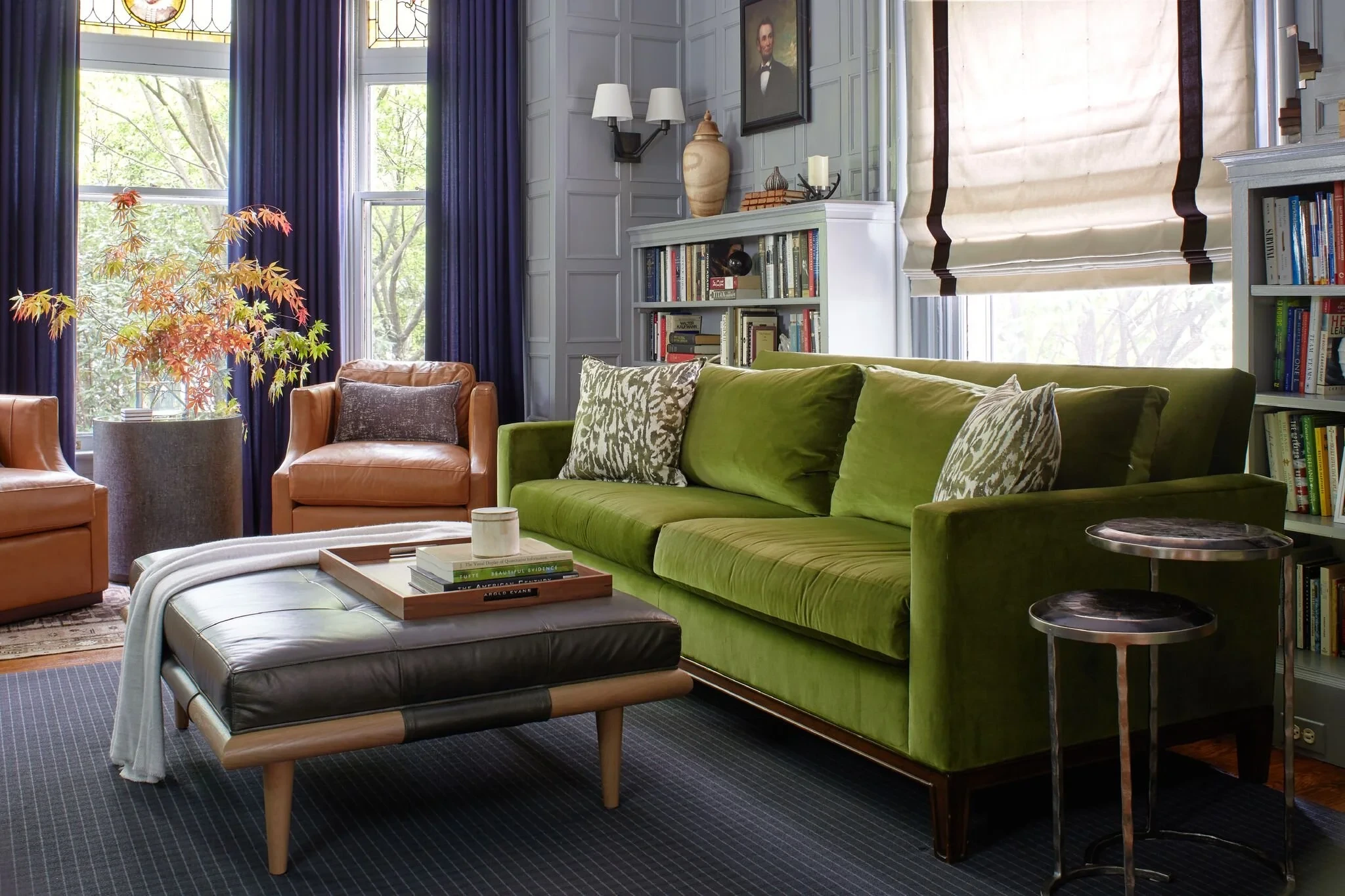
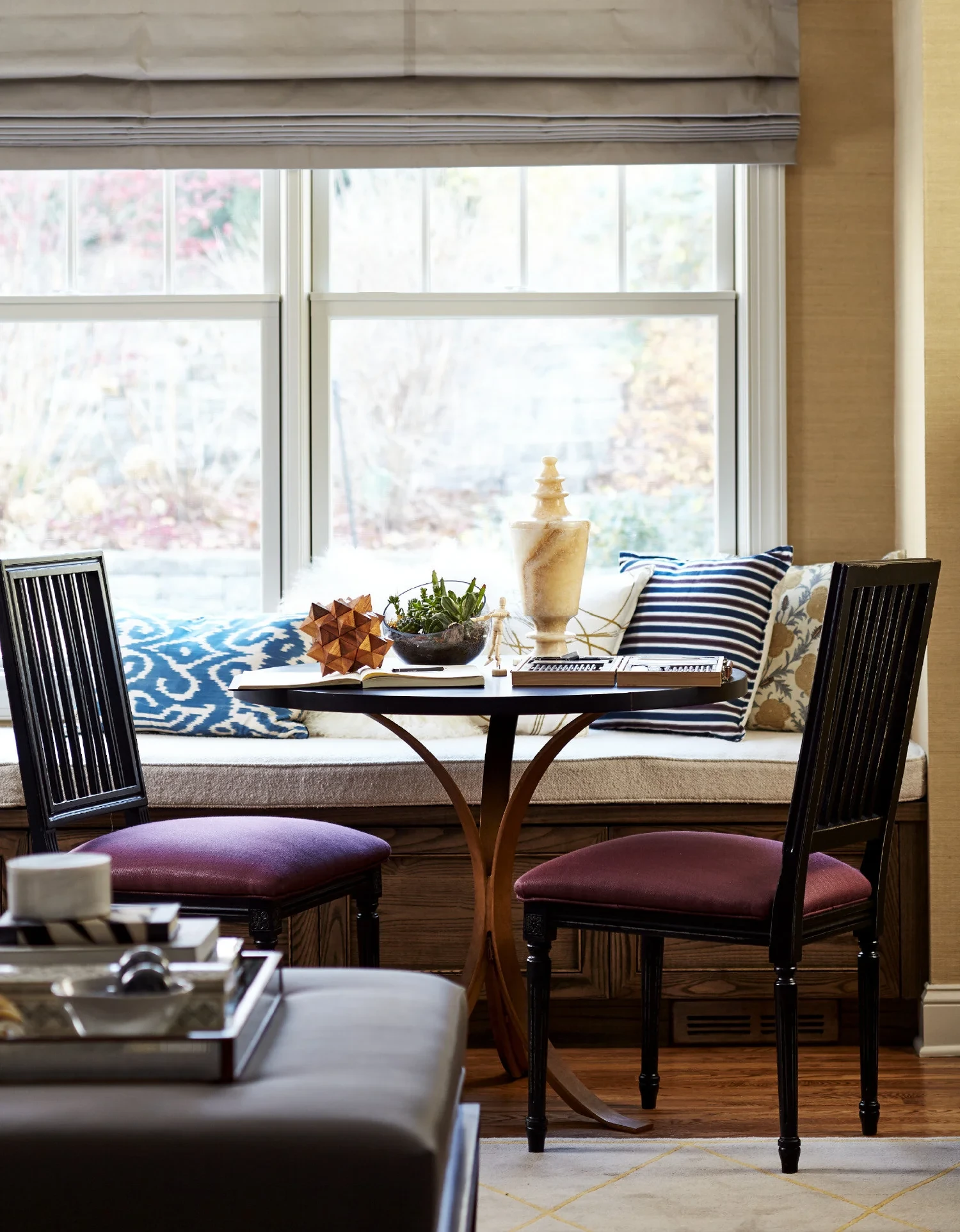
Color, history, and collected objects.
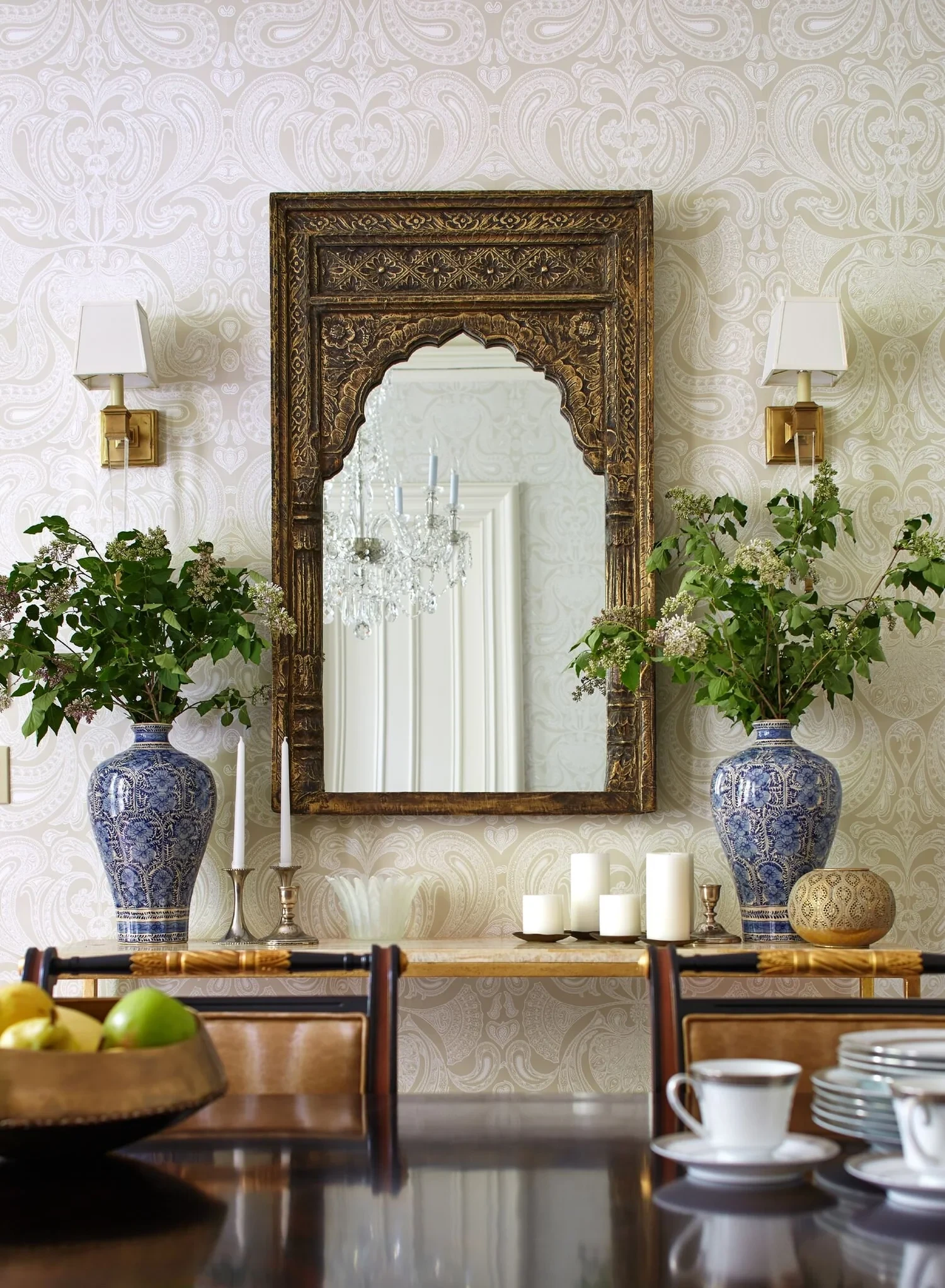
These rooms use saturated color and globally sourced references without losing their sense of order. Velvet, carved wood, patterned textiles, books, art, and antique forms are balanced against clean upholstery and strong architectural lines.
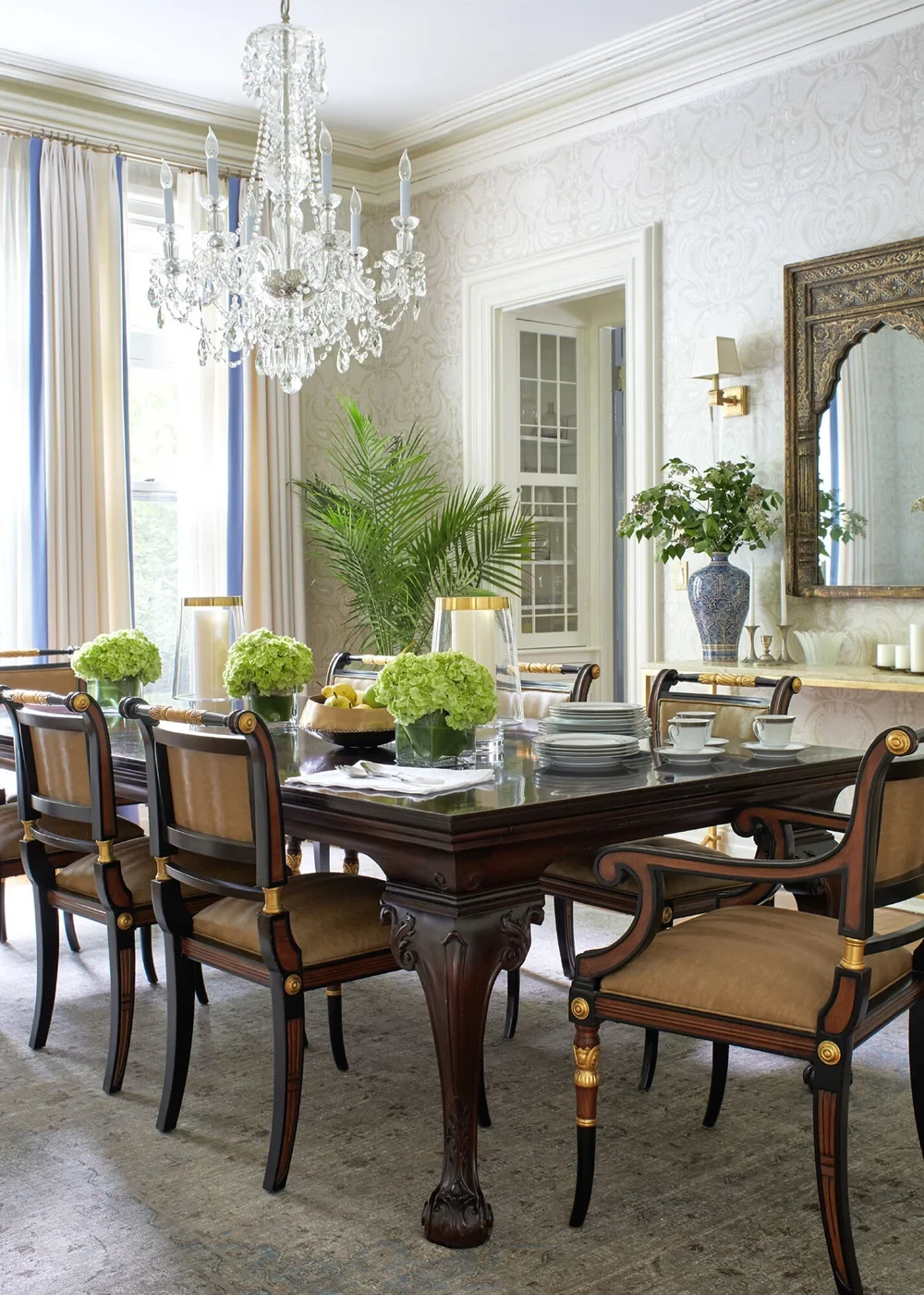
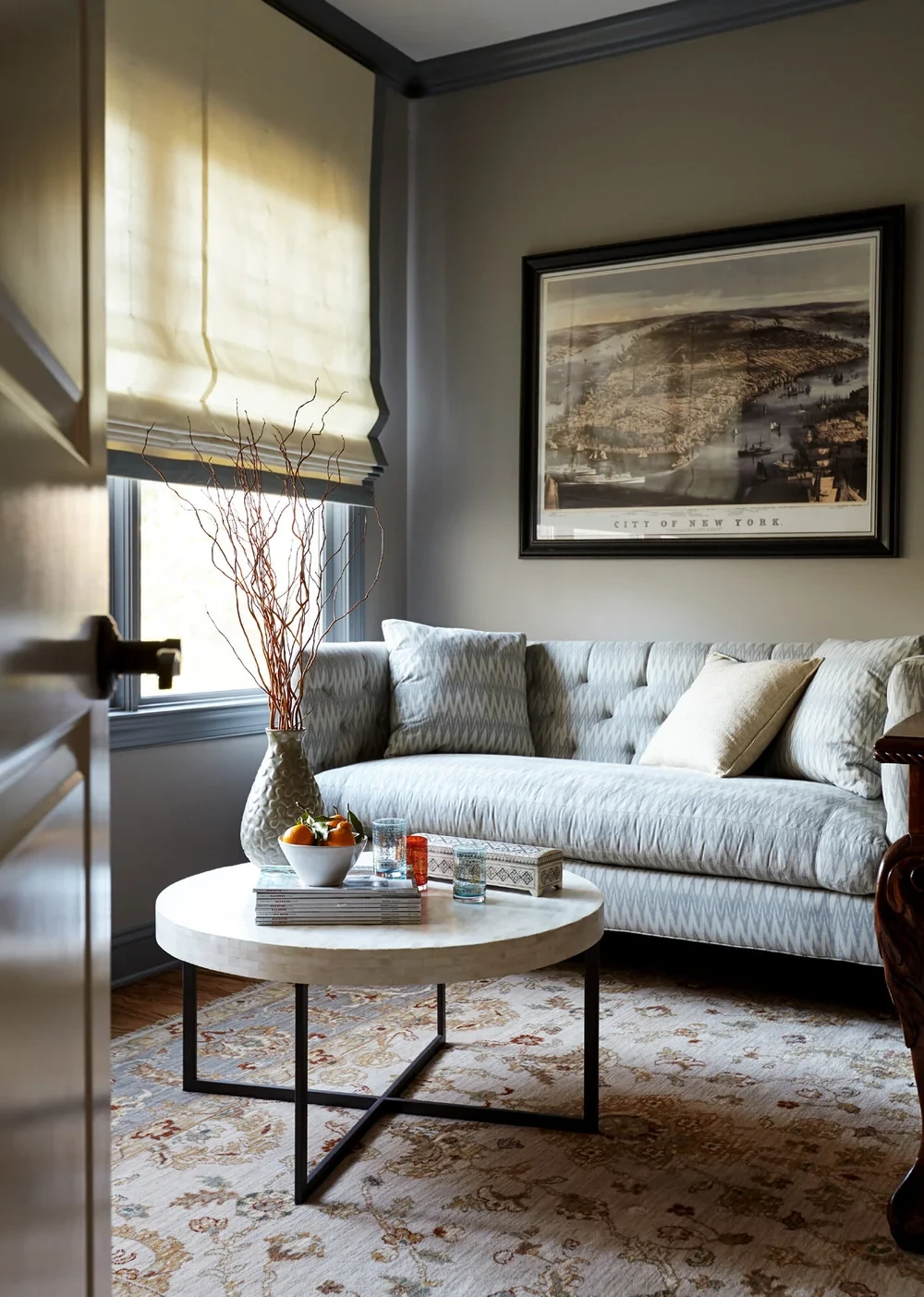
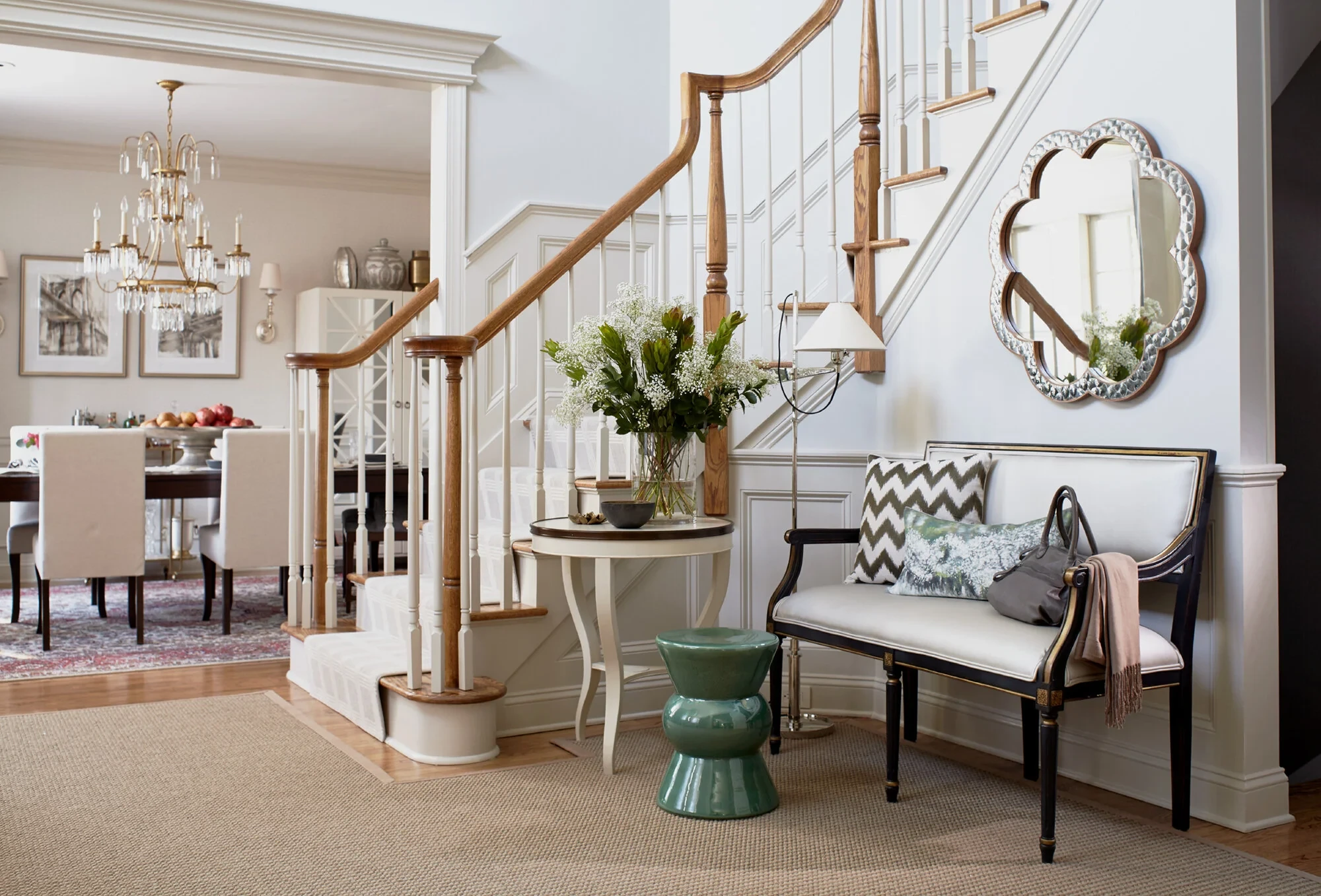
Classic architecture, edited.
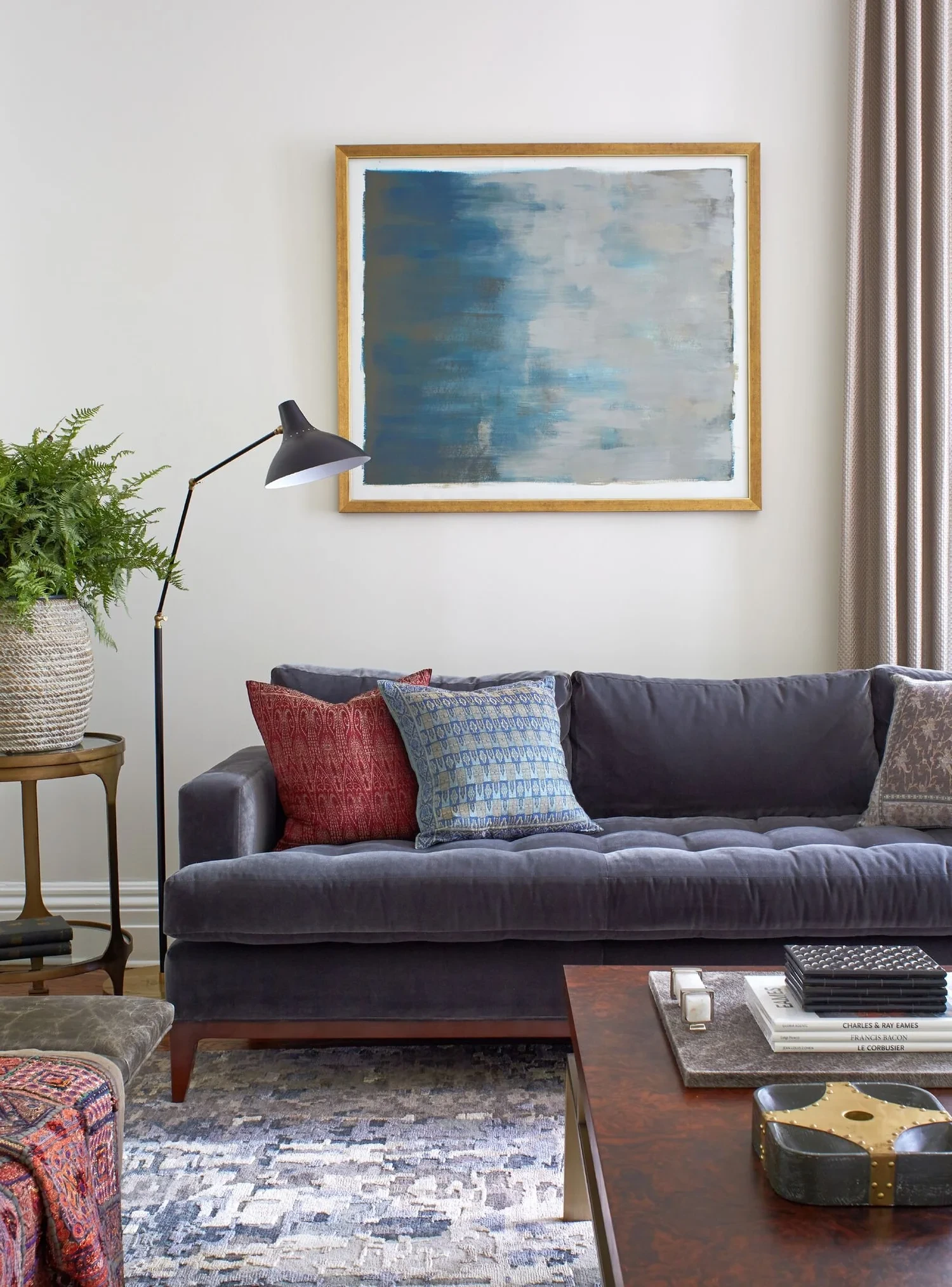
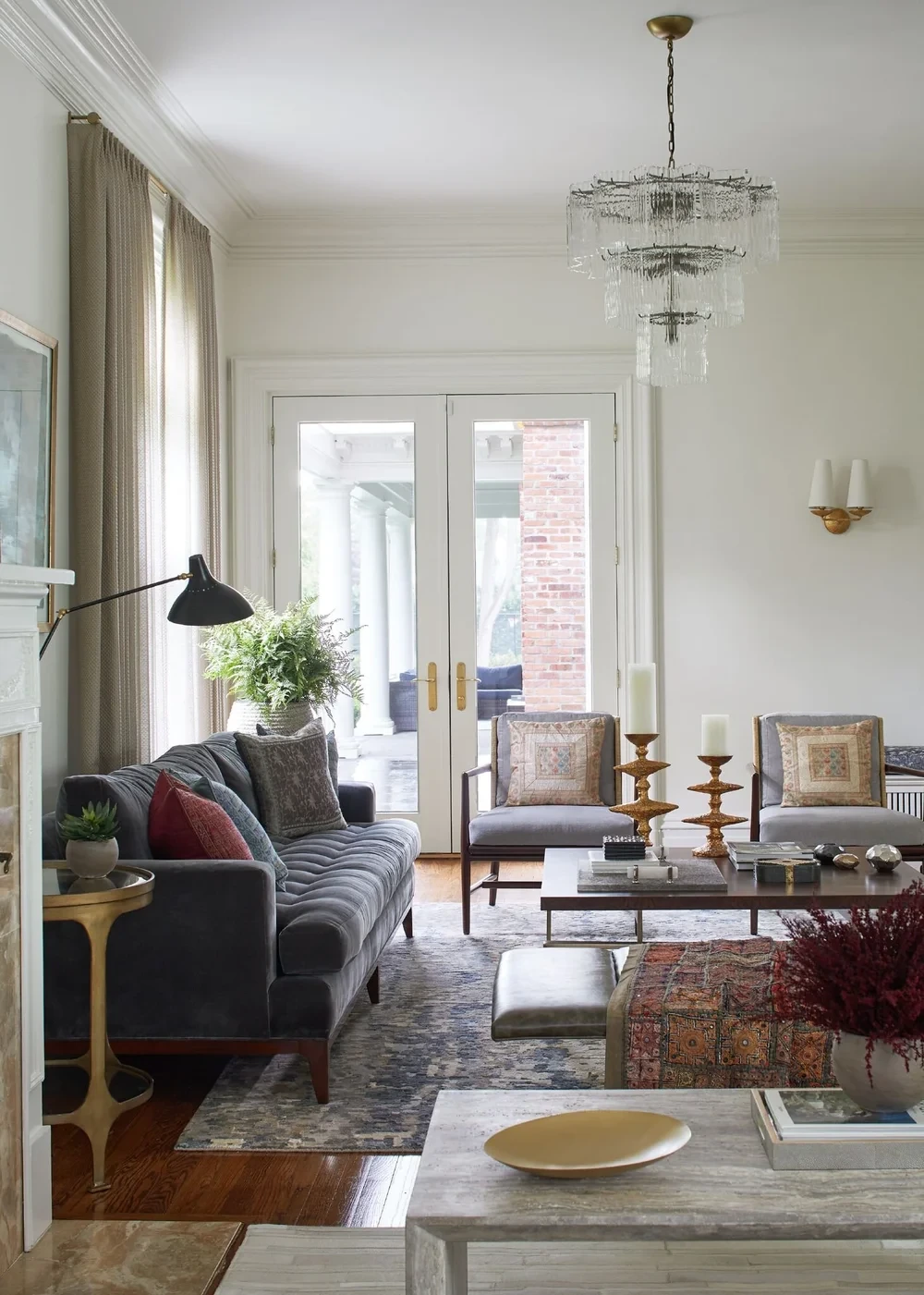
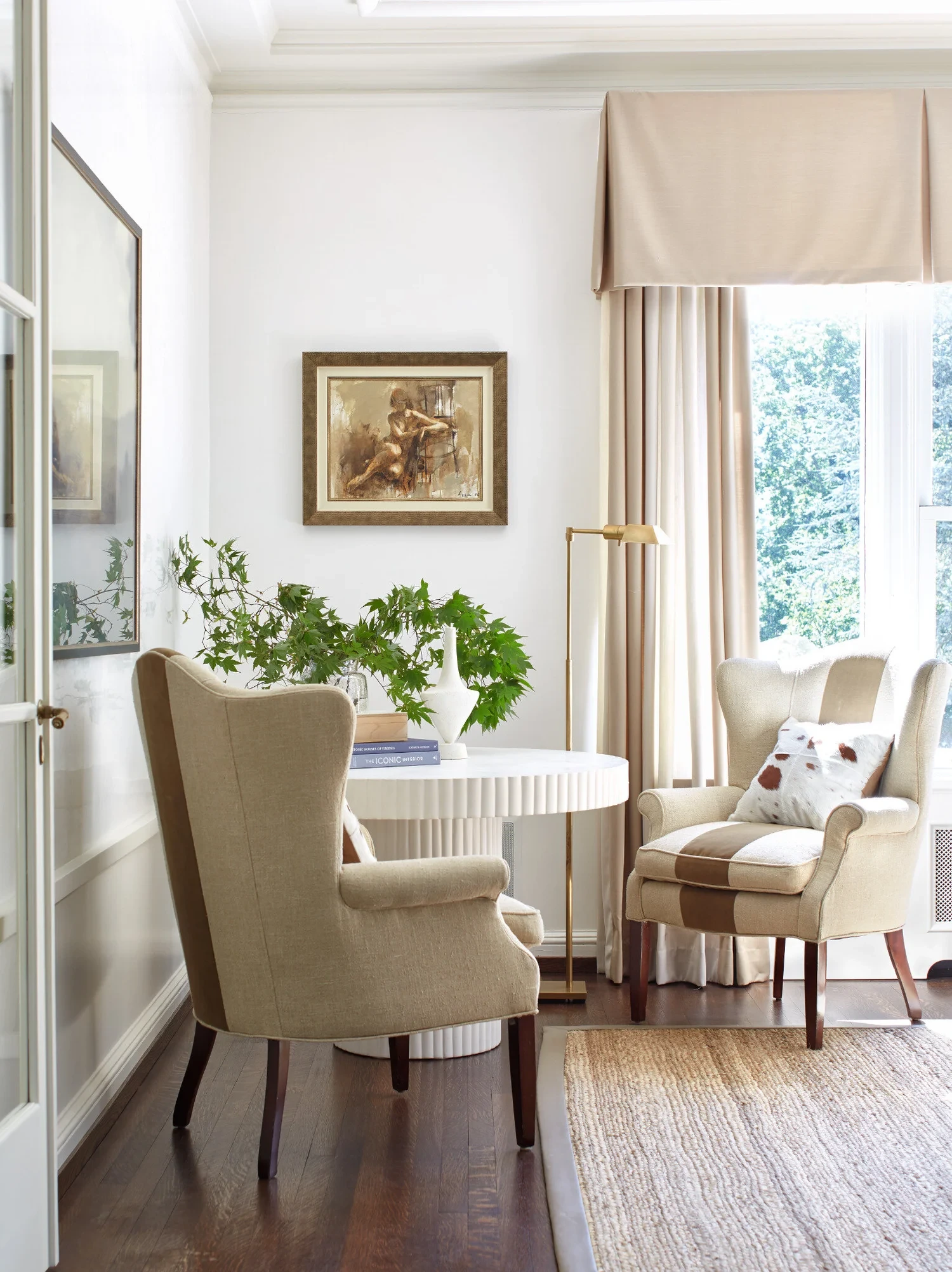
Traditional rooms were given a lighter rhythm through pale walls, disciplined furniture silhouettes, restrained metalwork, and carefully placed art and objects. The result is formal without feeling precious.
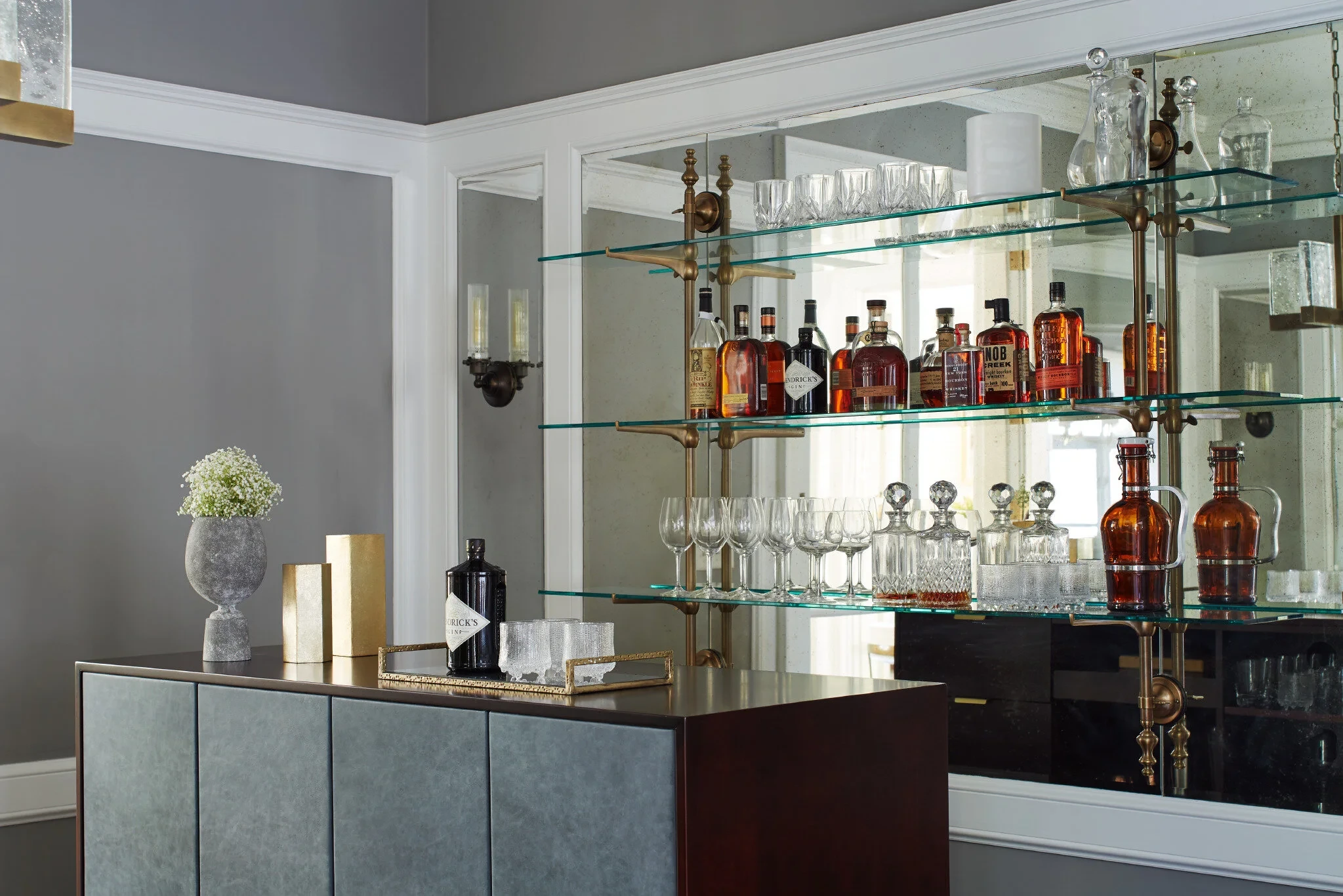
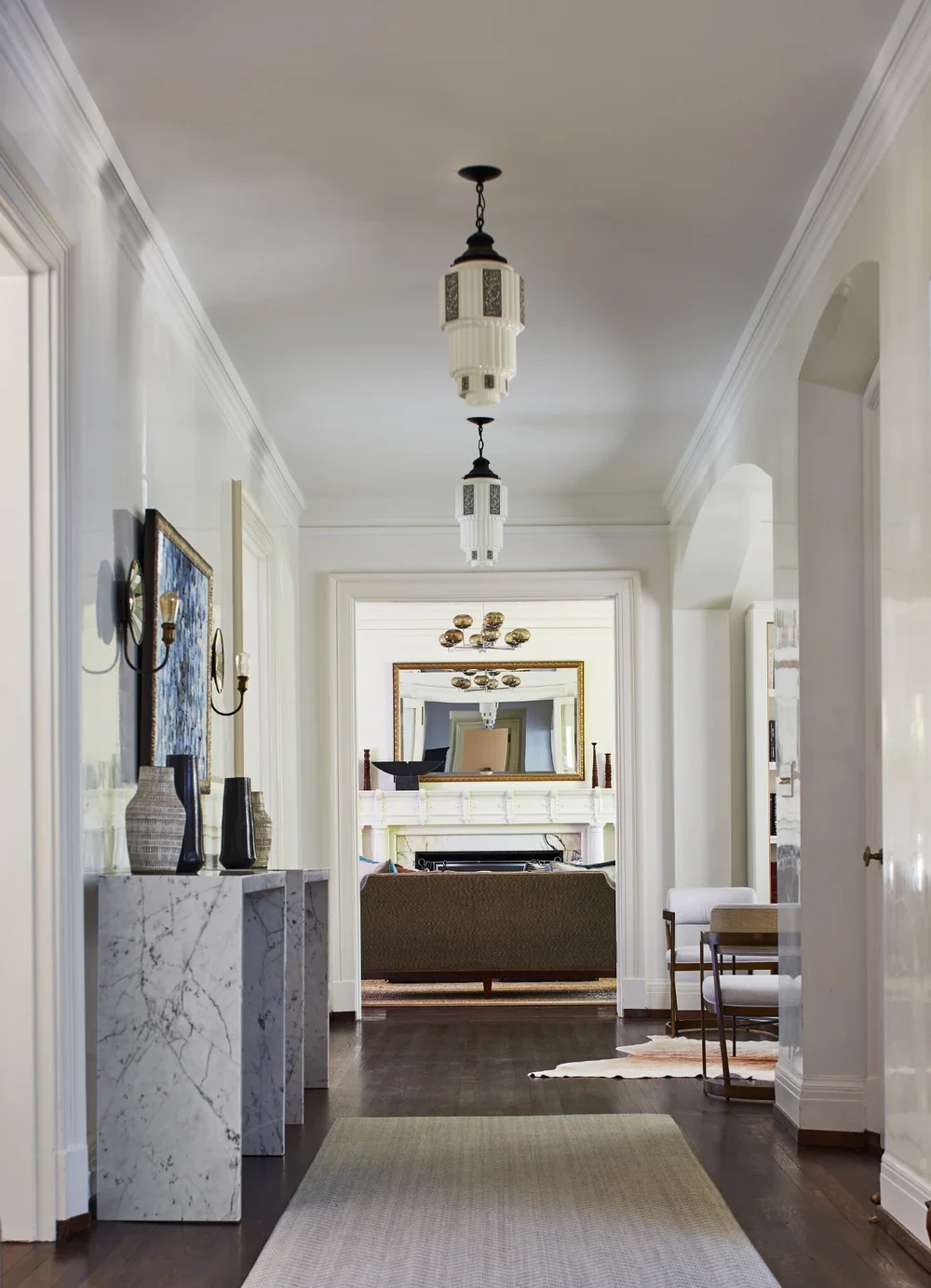
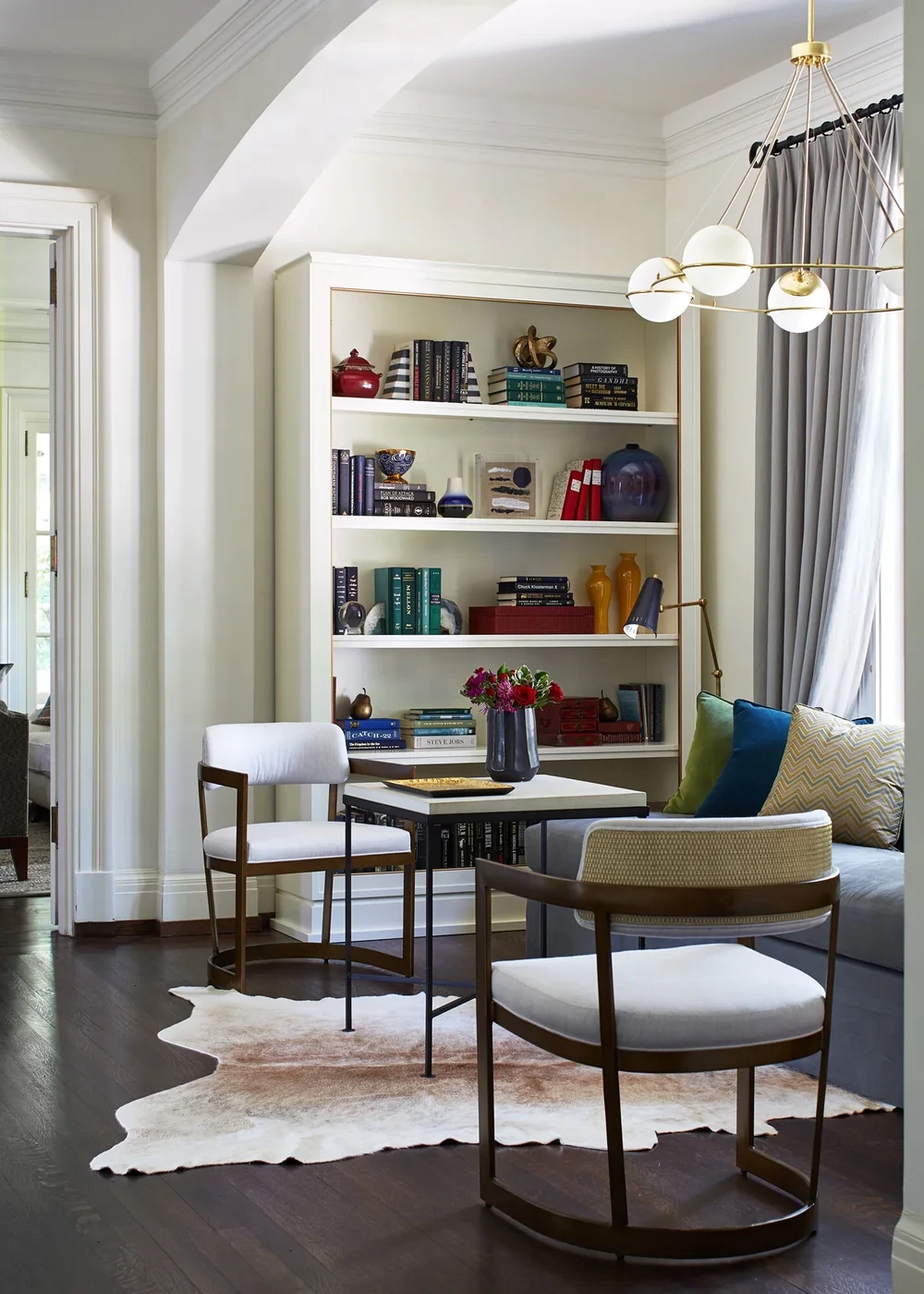
Warm modernism, built through contrast.
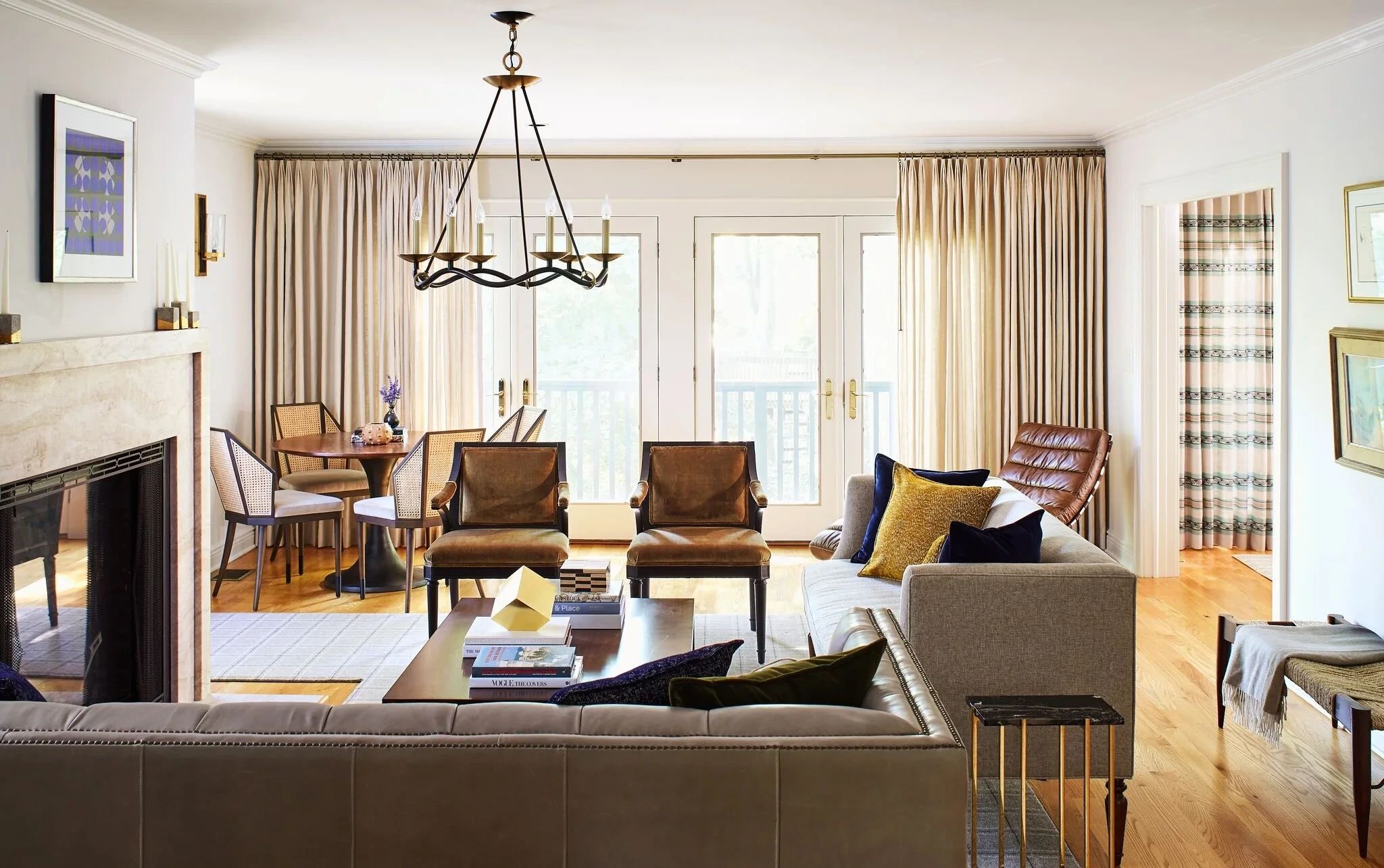
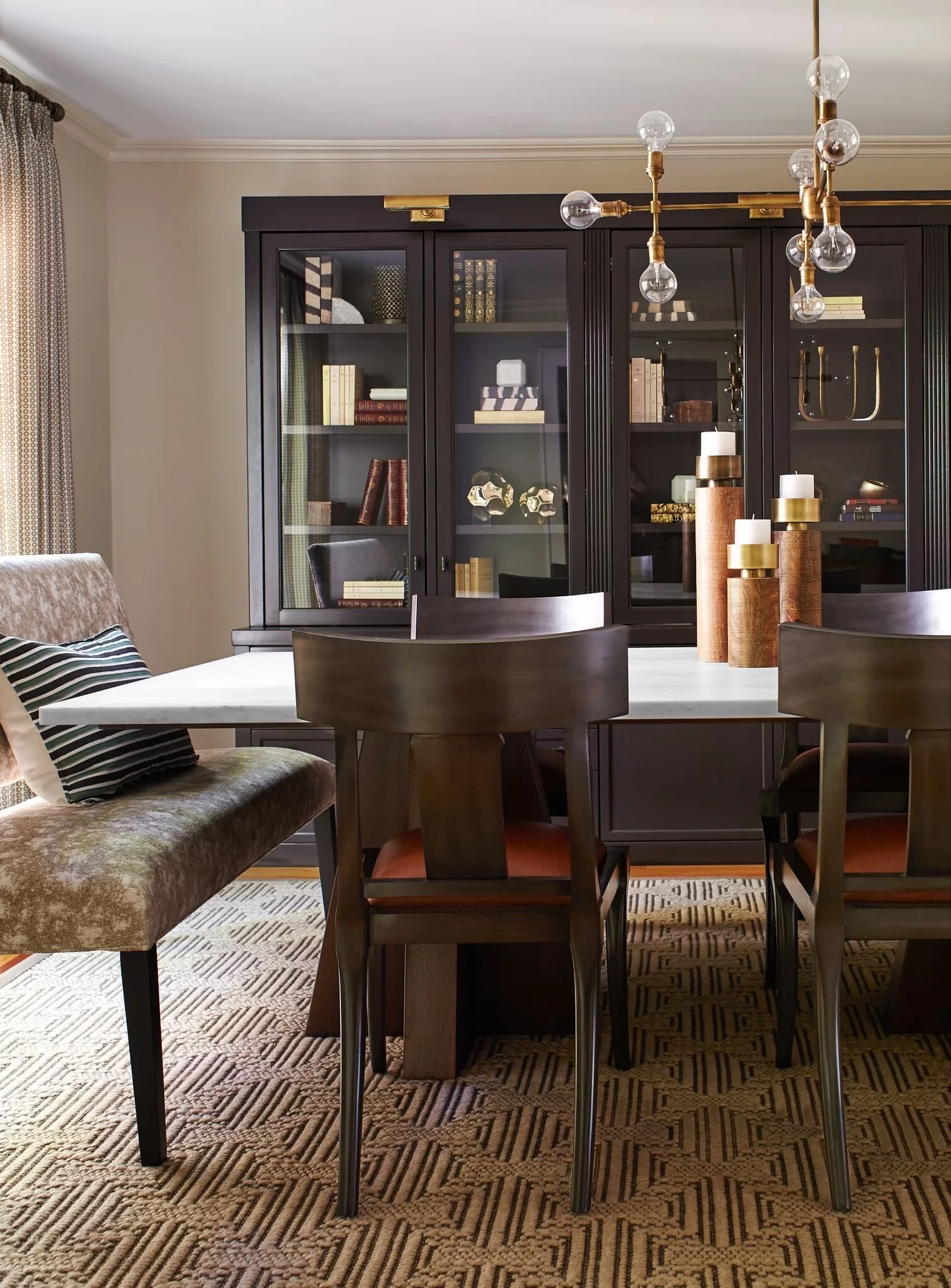
A quieter material palette lets the contrast do the work: pale walls against dark cabinetry, soft upholstery against leather, reflective glass against warm wood, and graphic lighting against otherwise restrained rooms.
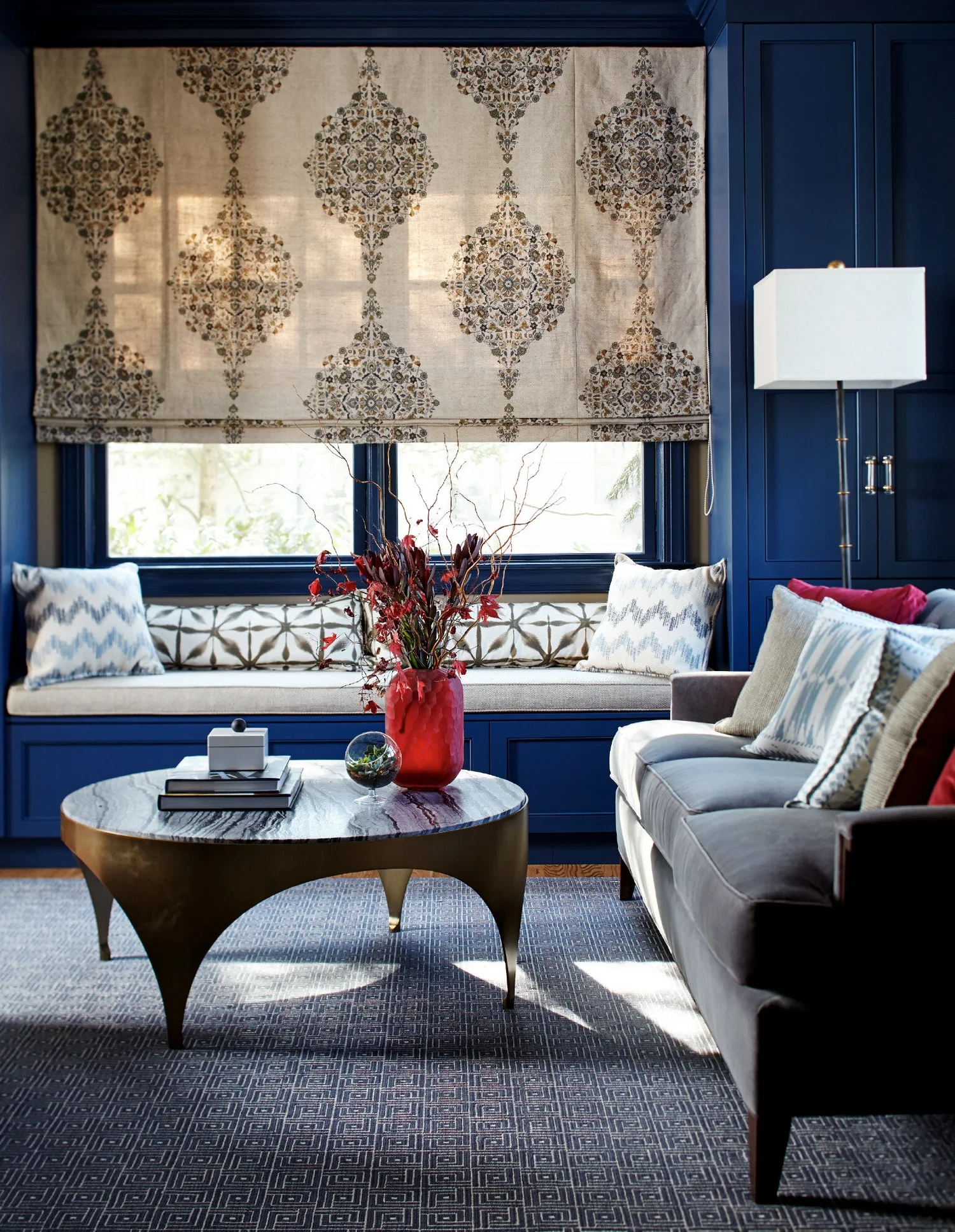
Tailored color with a quieter traditional base.
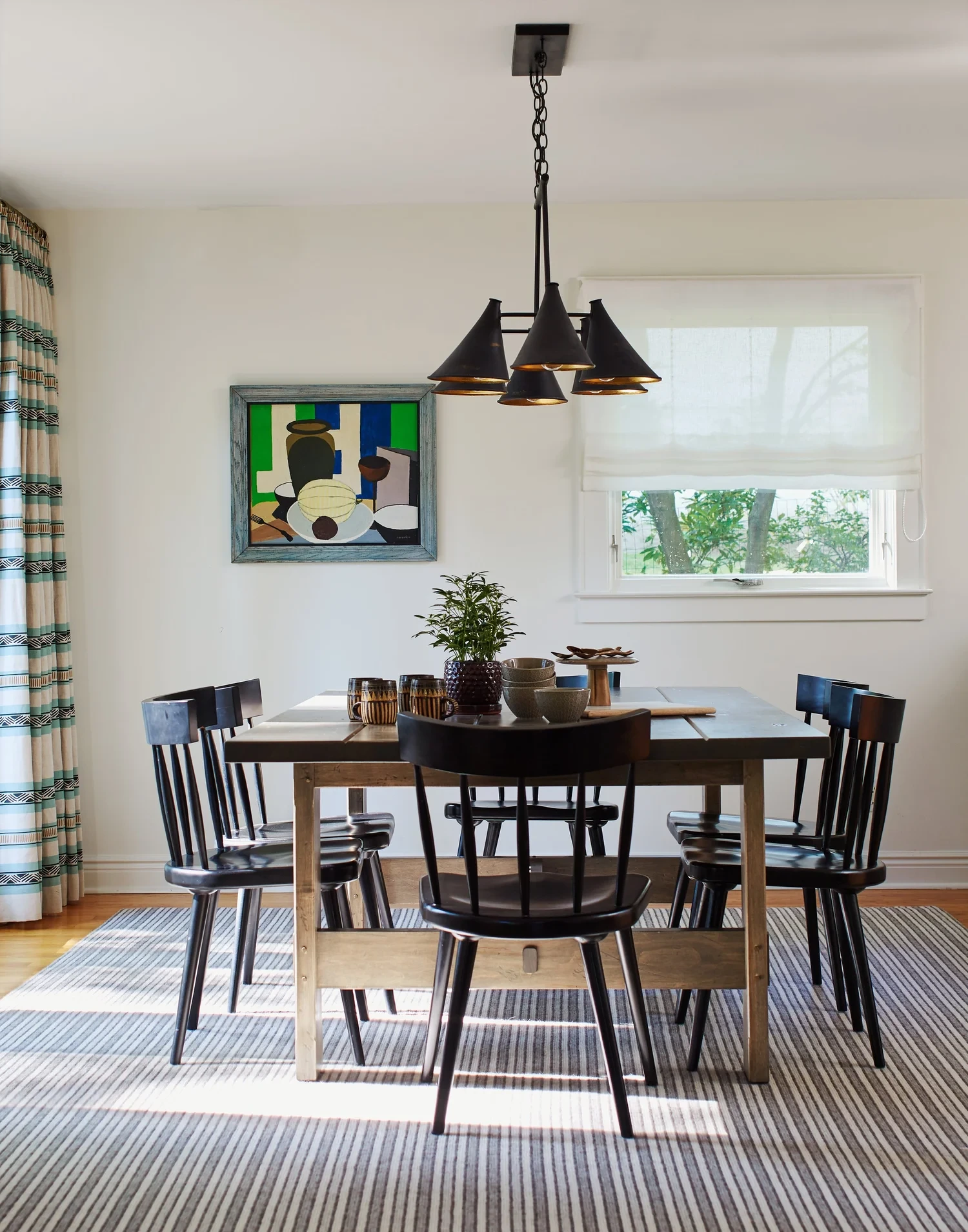
Built-ins, pattern, and saturated navy bring definition to otherwise calm rooms. Classical furniture shapes and familiar residential details are sharpened with cleaner proportions, stronger color, and a more graphic approach to textile and trim.
Different houses. Different visual languages. The same attention to how space, material, objects, and atmosphere work together.