Hill Station Co.
A boutique hospitality concept built around a simple idea: over time, movement becomes noise.
Drawing from the hill stations of Northern India structurally rather than stylistically, the project imagines a small-key Vermont property as a place of temporal deceleration — where arrival, rooms, food, bathing, objects and daily ritual work together to change the pace of the guest.
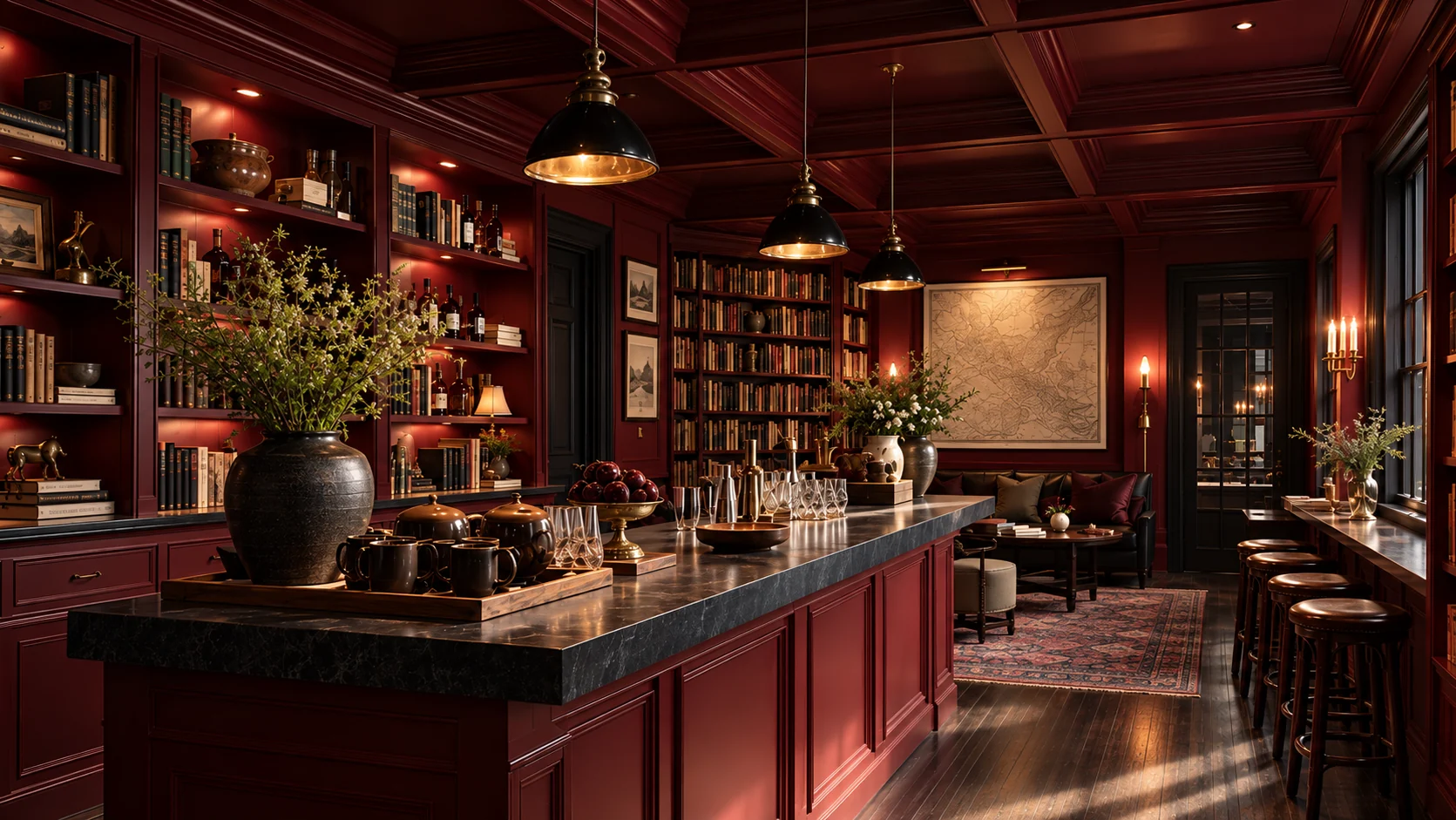
The architecture slows you down before you decide to slow down.
The original hill stations were places of retreat: elevated environments where climate, pace and perspective shifted. Hill Station Co. borrows that logic rather than its decoration. Arrival is gradual. Rooms unfold in sequence. Material, light and proportion do more of the storytelling than overt theme.
The aim is a kind of calibrated specificity. Everything has provenance and weight, but nothing feels over-explained. You are unmistakably in Vermont, while textiles, objects and references carry other histories. The world feels familiar enough to settle into and different enough to make you pay attention.
One world. Different modes of attention.
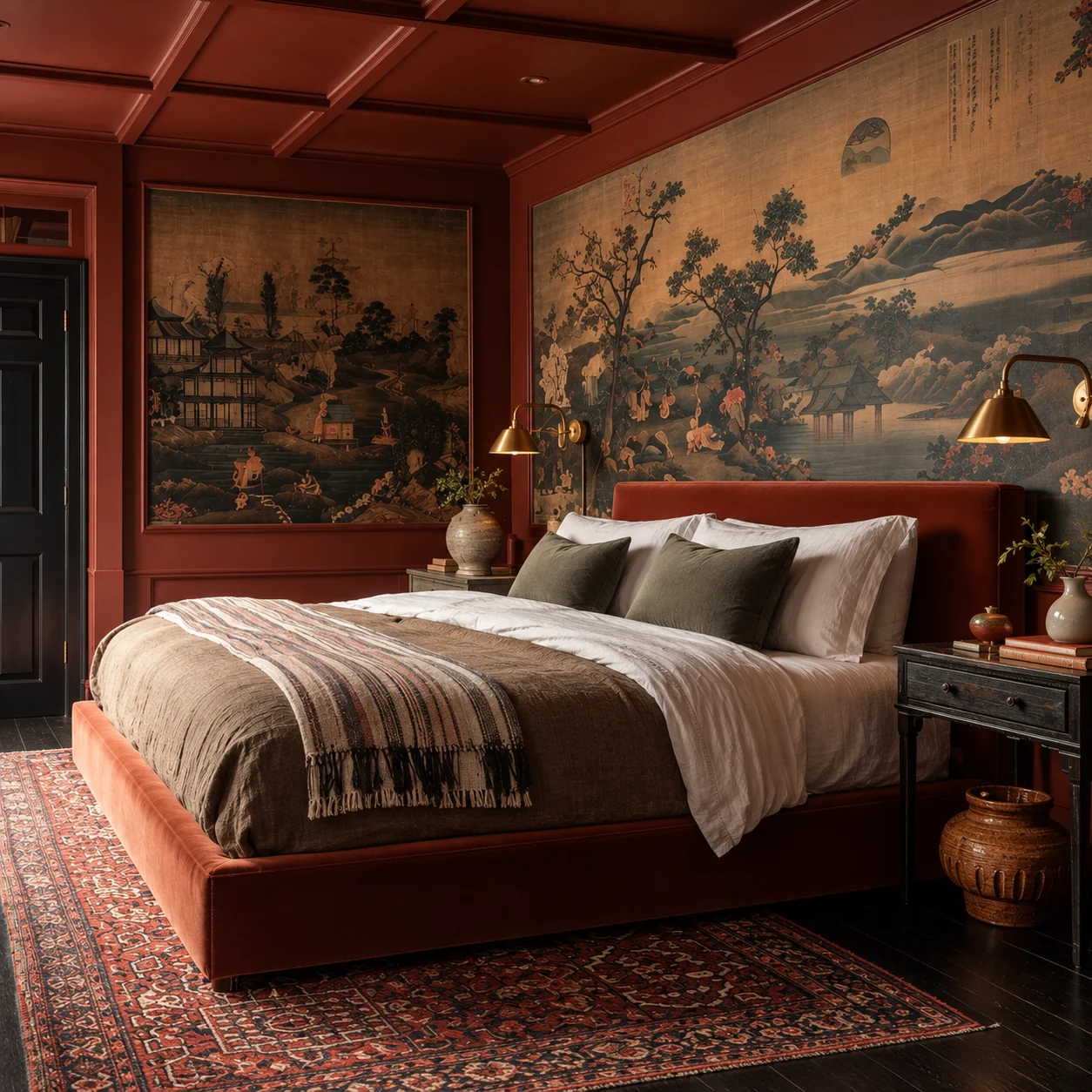
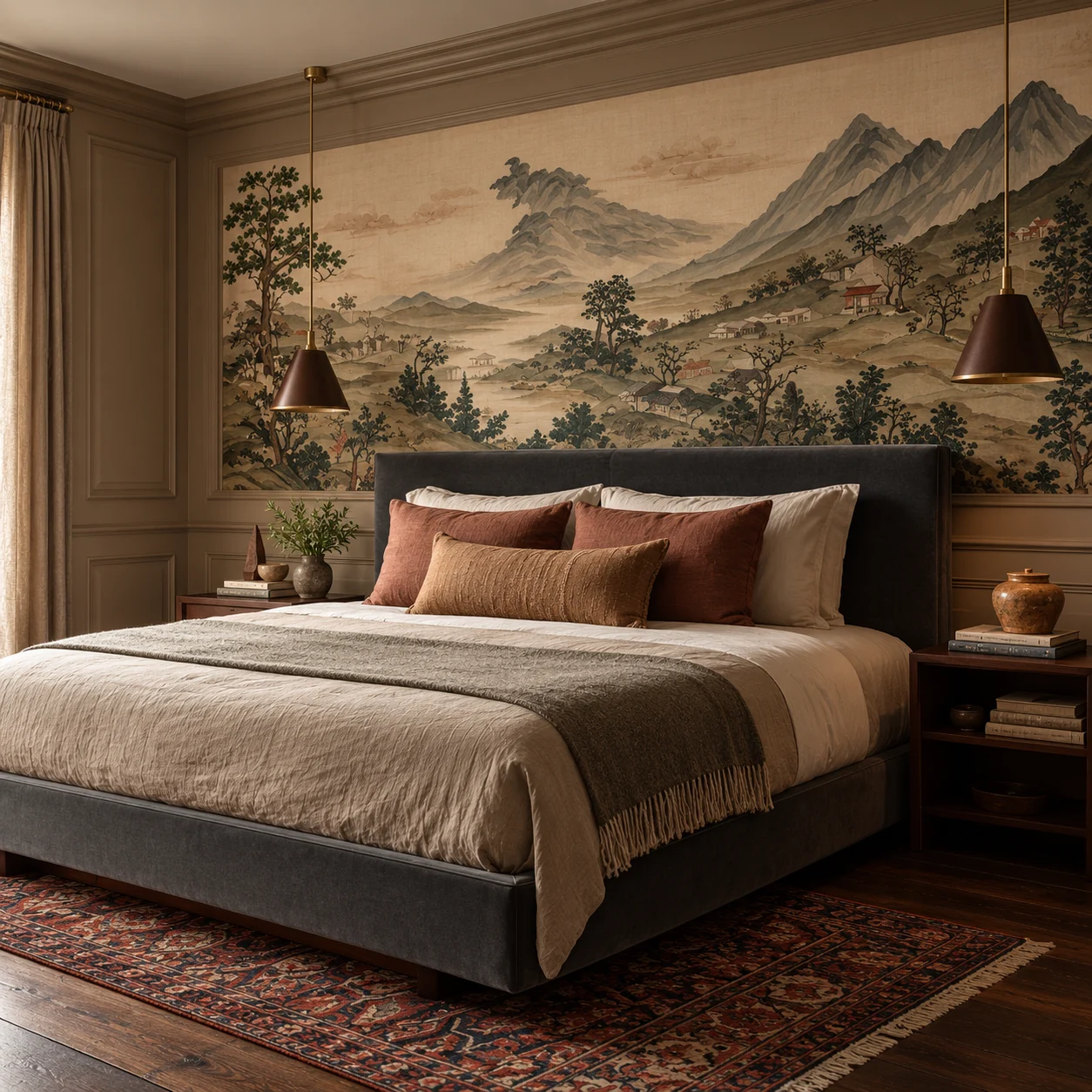
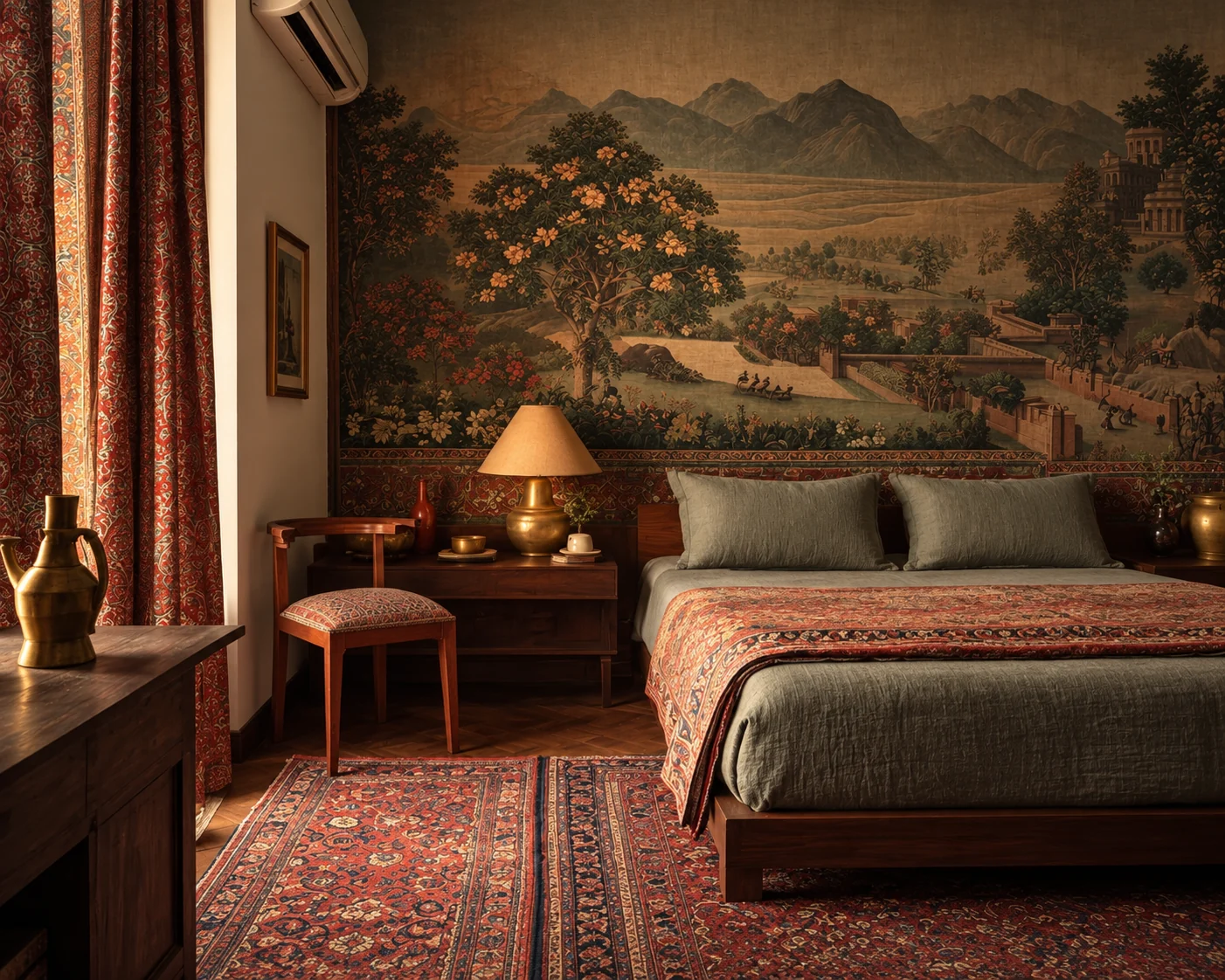
Rather than repeat one room formula, the guest rooms move between more immersive and more contemplative expressions of the same idea. Color, landscape, textiles and objects shift; the underlying language remains consistent.
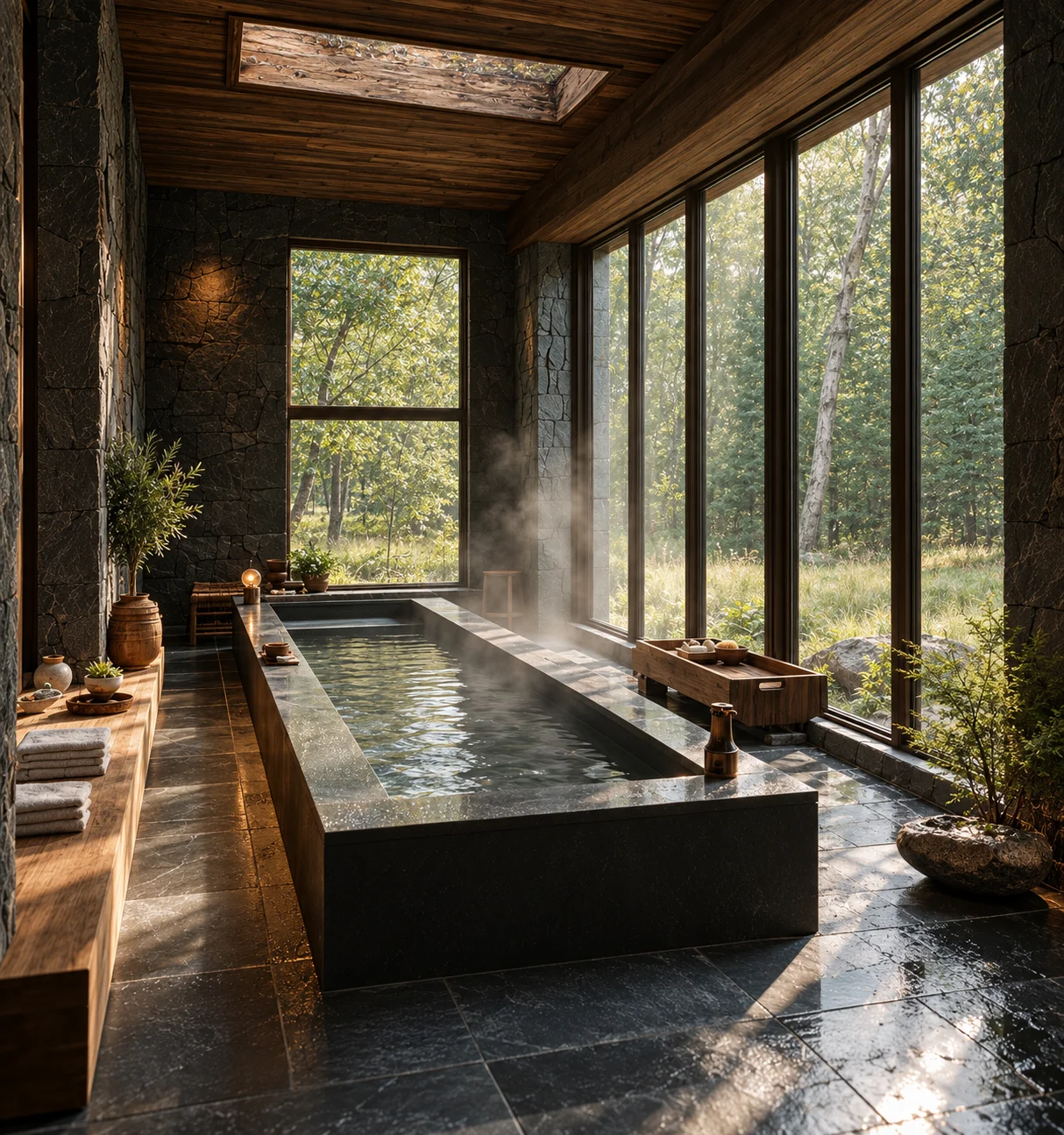
Wellness as infrastructure, not an amenity checklist.
The hydrotherapy pavilion is conceived as the quiet reset: stone, steam and Vermont forest. Its role is experiential, but also operational. New development was evaluated against the same question as every other intervention: does it deepen the stay enough to justify the investment?
Creative direction met the numbers.
The work extended beyond brand and interiors into development strategy, ground-up planning and underwriting. I tested the small-key model against ADR, occupancy and NOI targets, and looked at how room revenue, food and beverage, wellness and programming could each create value without adding unnecessary operational complexity.
That changed the creative decisions. The pavilion needed to support length of stay. Food and beverage needed to feel destination-worthy without becoming a volume business. Programming had to make the existing architecture work harder. The idea and the operating model were developed together, not in separate rooms.
The property has a life beyond the room key.
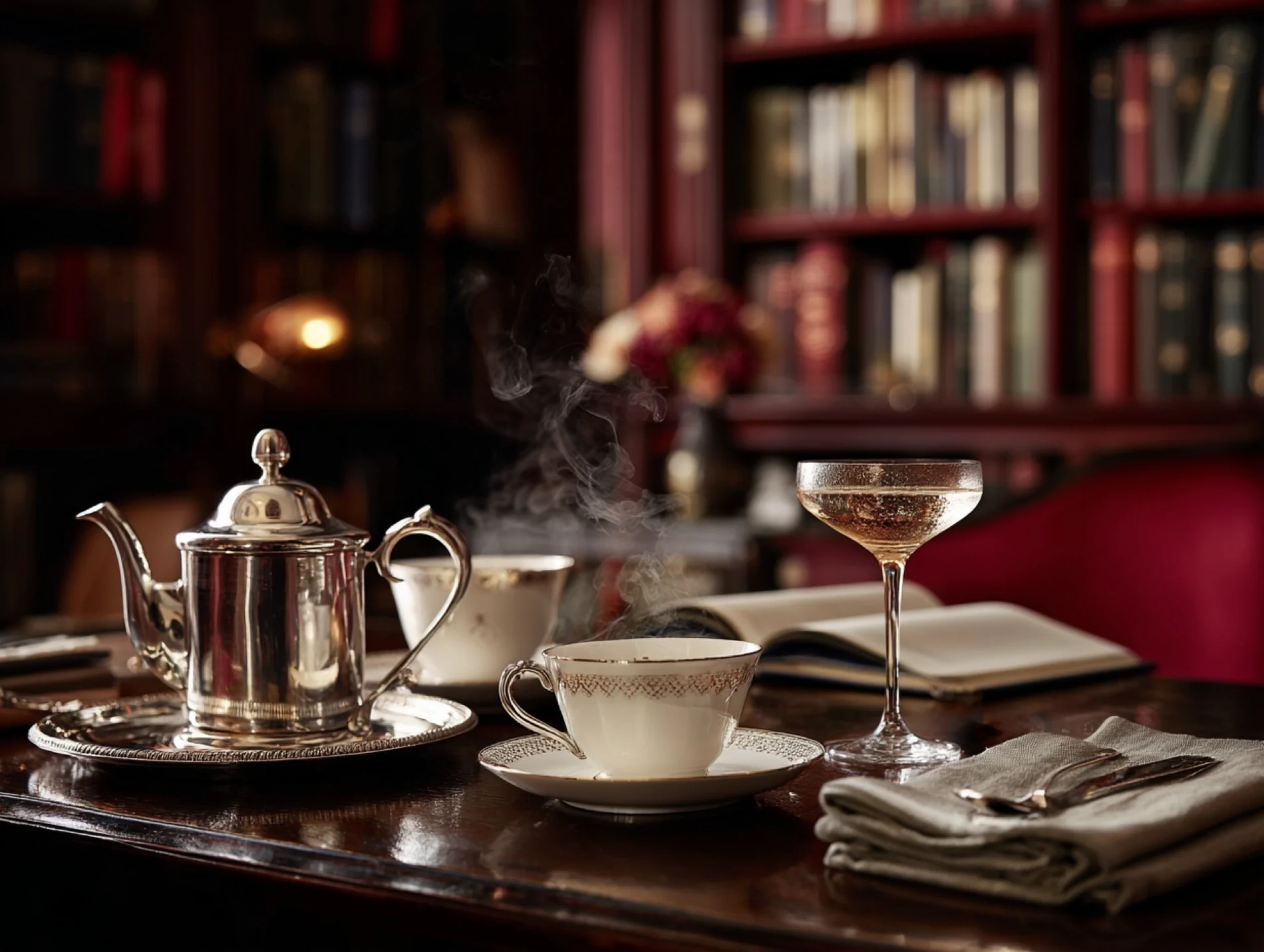
Check-in happens at the library cafe-cocktail bar, immediately establishing the social rhythm of the stay. The dining room shifts through breakfast, afternoon tea, craft classes and private dinners. A chef's table turns the kitchen itself into programming.
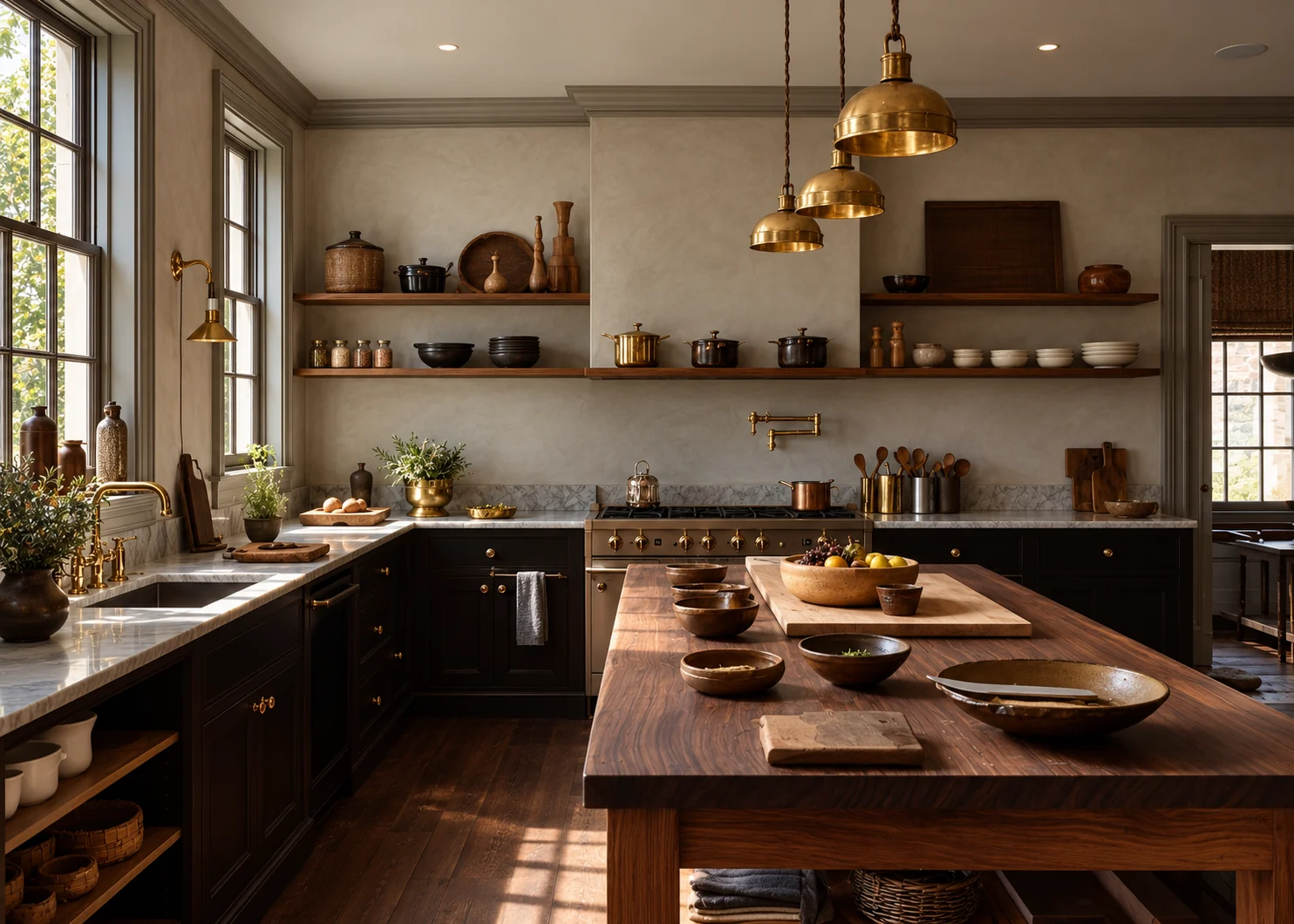
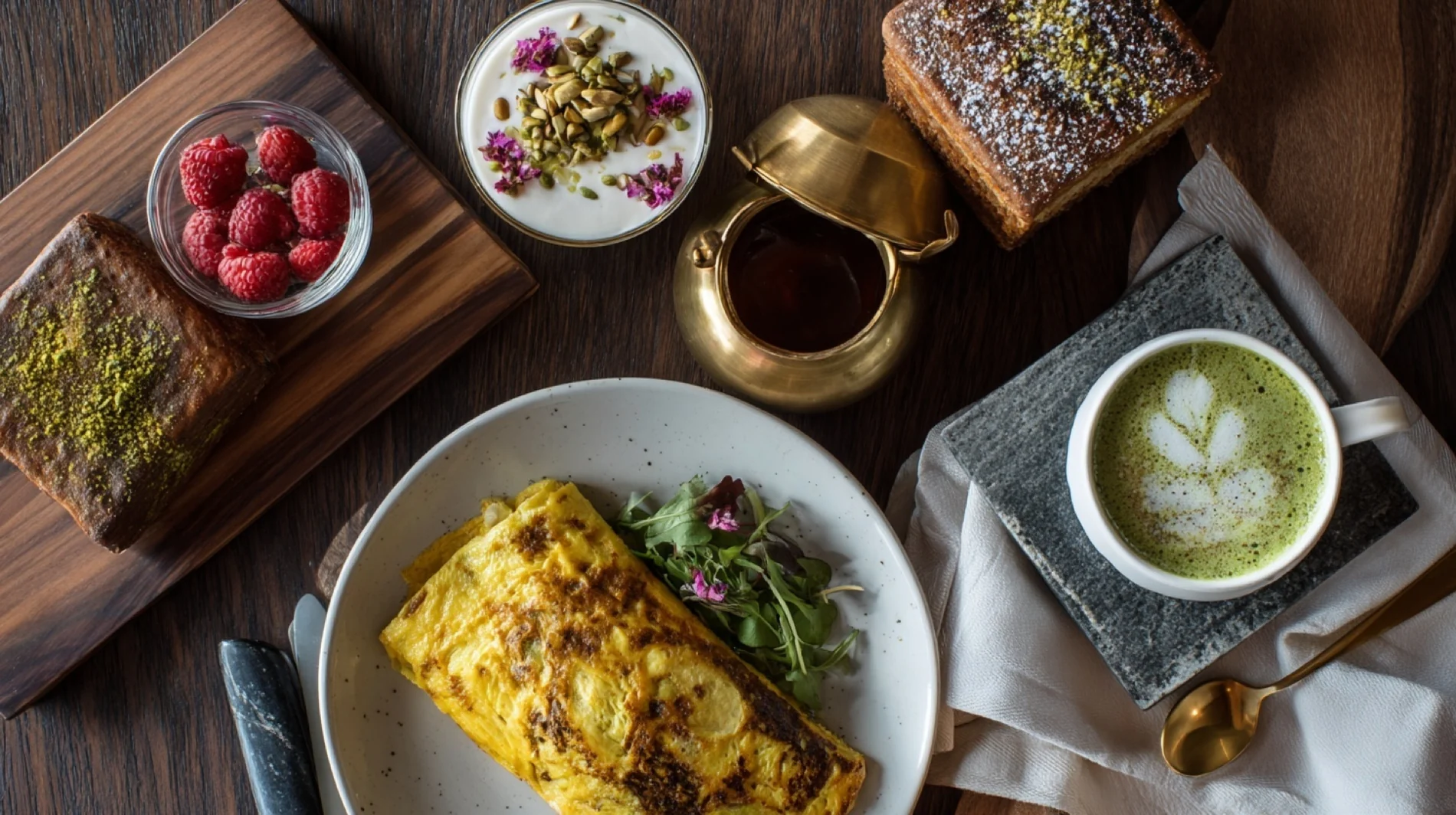
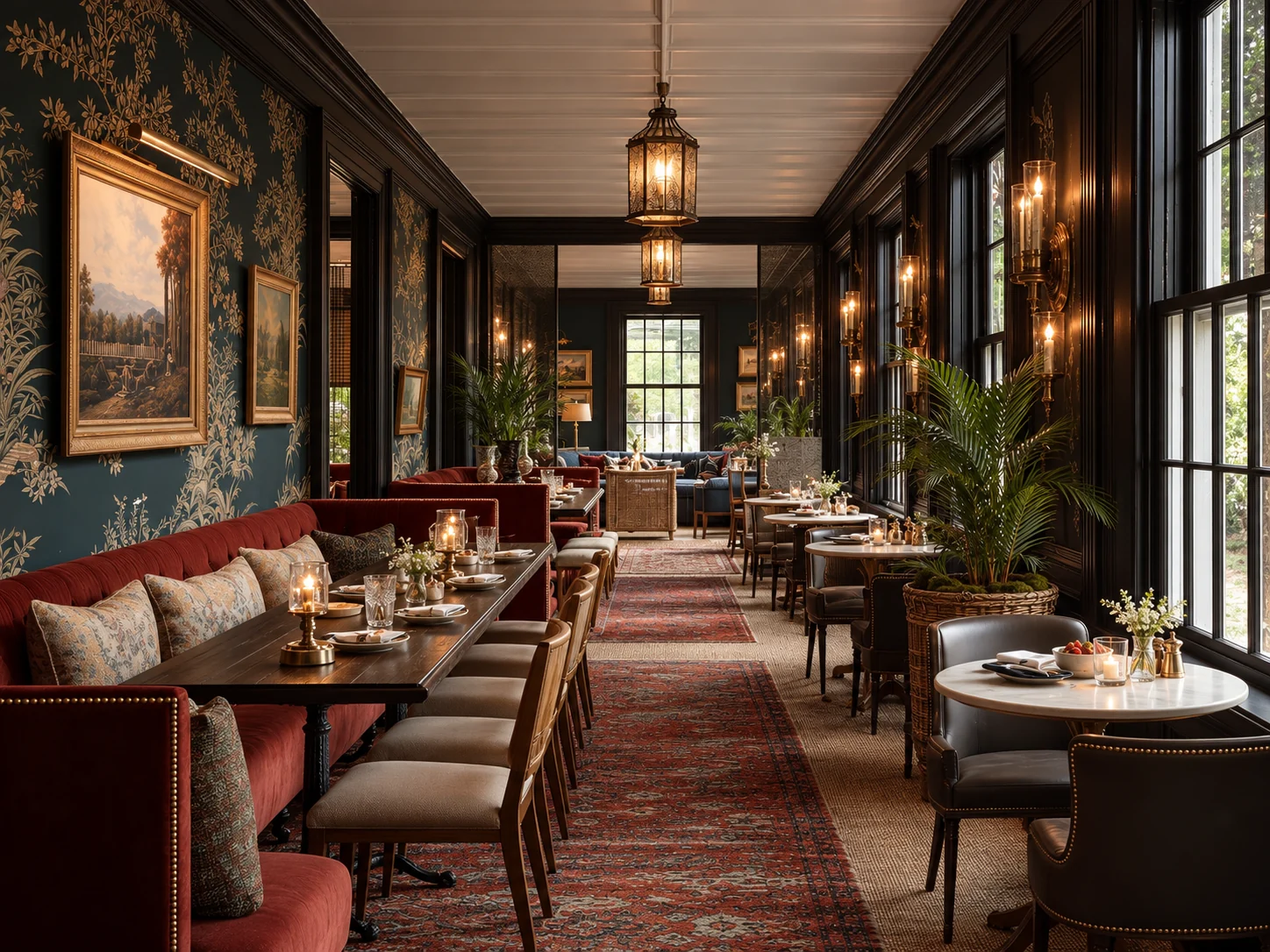
The day has a rhythm.
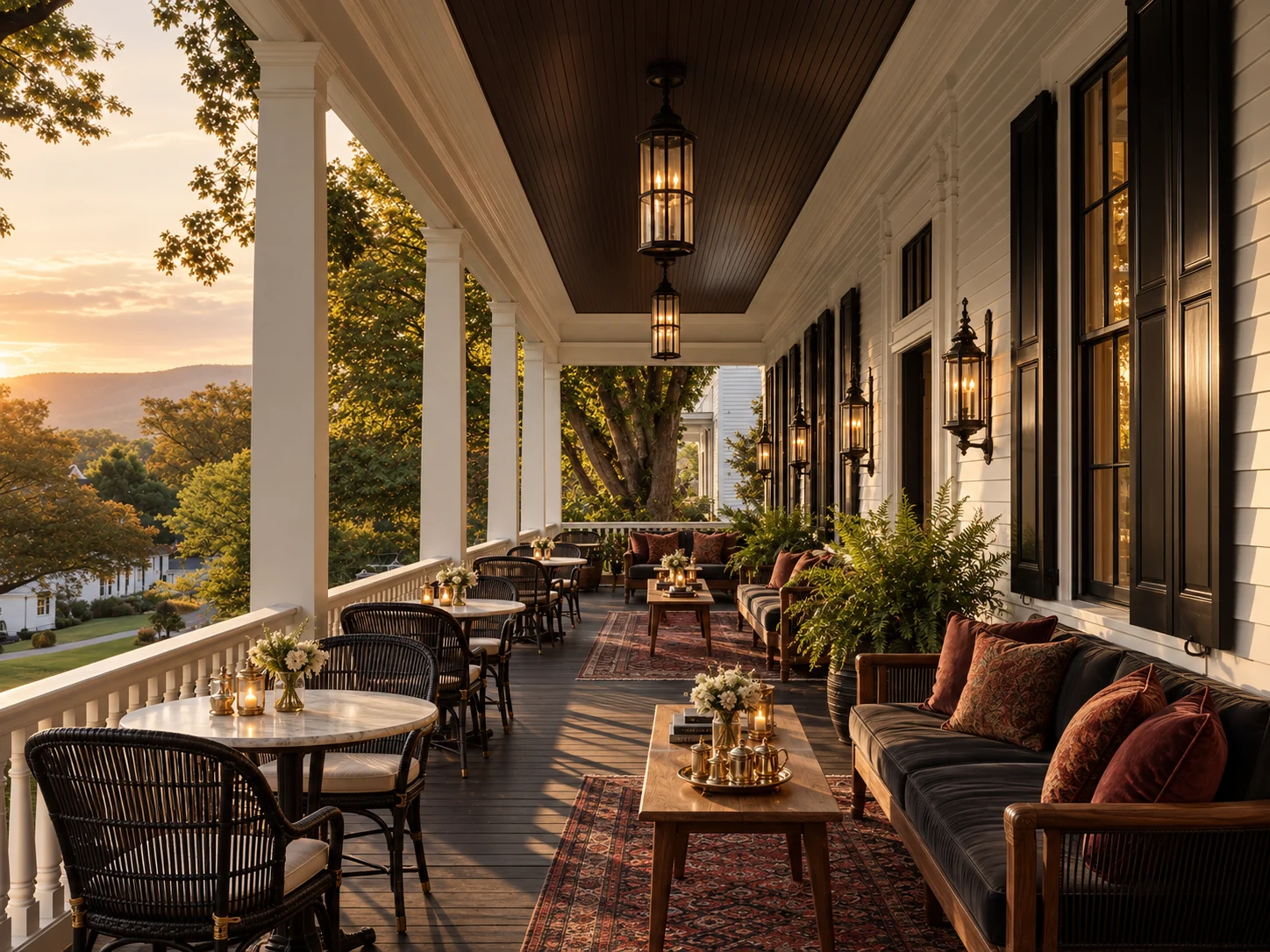
The veranda becomes a daily anchor: tea in the afternoon, cocktails as the light changes, conversation after dinner. Repeated gestures create orientation. The experience does not need to announce its story when the guest can feel it through sequence.
References earn their place.
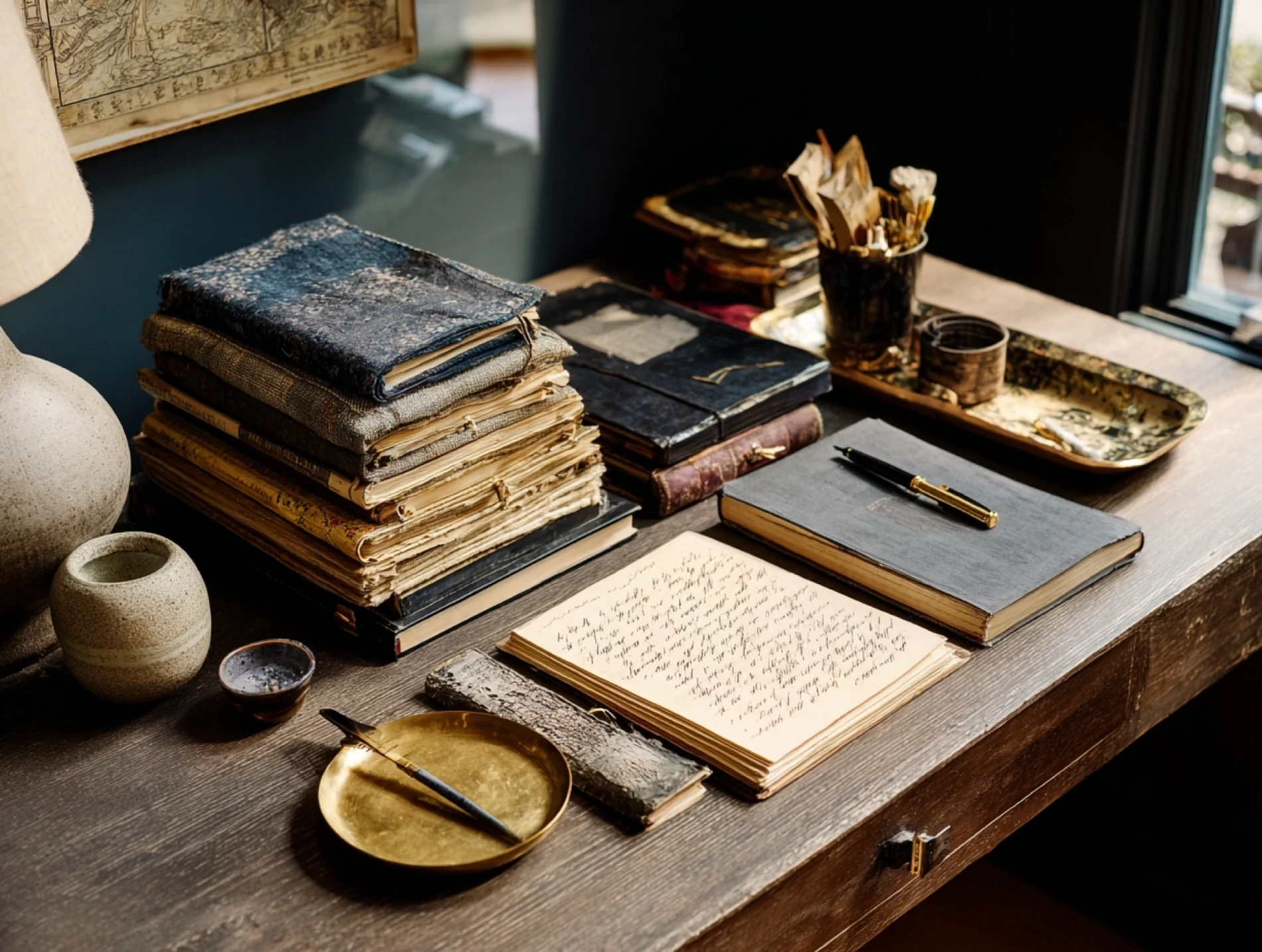
Books, maps, tea objects, bonsai, bookbinding and craft programming extend the world without turning it into a theme. A guest who knows nothing about the source references should still feel the coherence. A guest who knows more should find another layer waiting.

The world had to work twice: as an emotional experience and as a business.
Brand becomes the connective tissue.
Hill Station Co. was developed as more than a single interior concept. It is a model for finding, repositioning and developing small, design-led hospitality properties where concept, guest experience, programming and economics reinforce one another.
Hospitality concept development · Boutique hotel repositioning · Creative direction · Guest experience · Interior design direction · F&B concept · Wellness programming · Development strategy · Underwriting