Snowy Owl Cabin
A simple property can become a compelling branded experience.
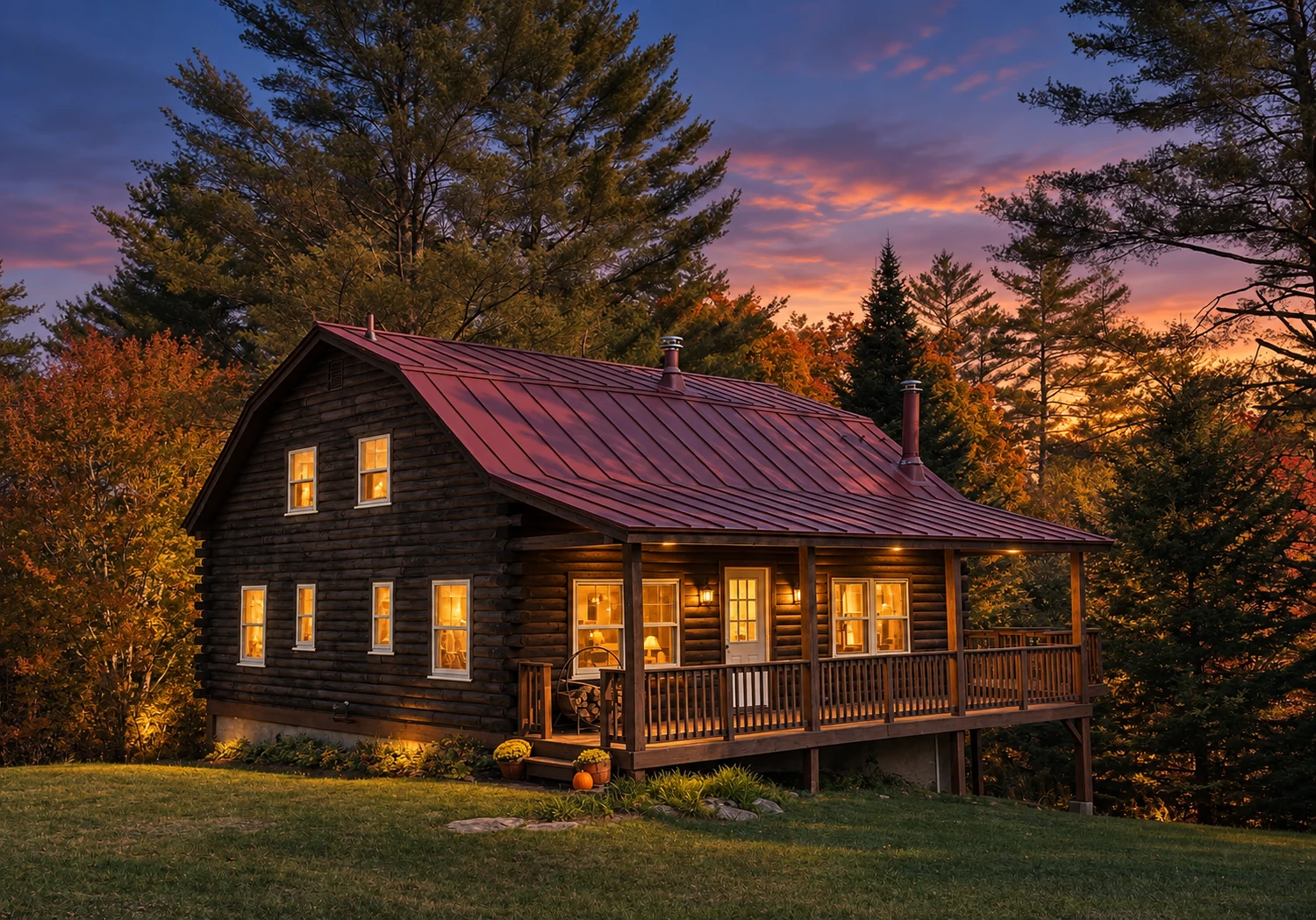
Snowy Owl began as a straightforward Vermont cabin. The opportunity was not to turn it into a themed escape, but to give the property a clearer point of view — one that could be felt in the rooms, the photographs, and the way a guest imagines spending time there.
Rustic-luxe, without the costume.
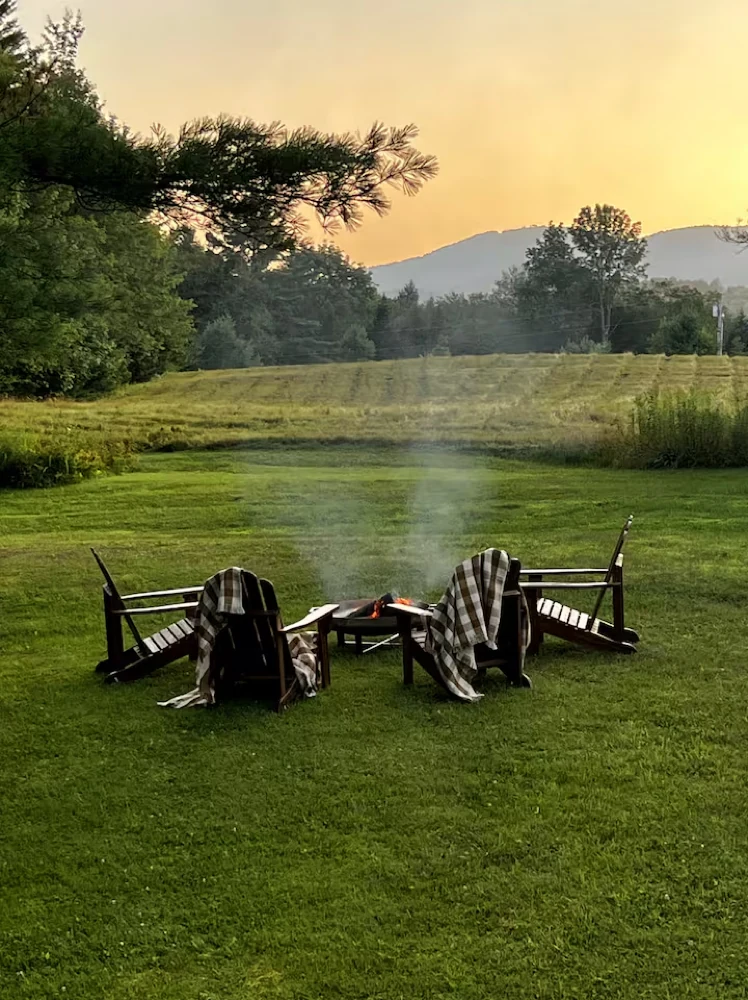
The cabin was positioned around mountains, fireside living, and good company. The idea was to make the stay feel intimate and specific to Vermont, while avoiding the usual shorthand of a themed ski house. The identity, interiors, and photography all work together to suggest something quieter: a retreat that feels collected, personal, and deliberately made.

The brand starts before check-in.
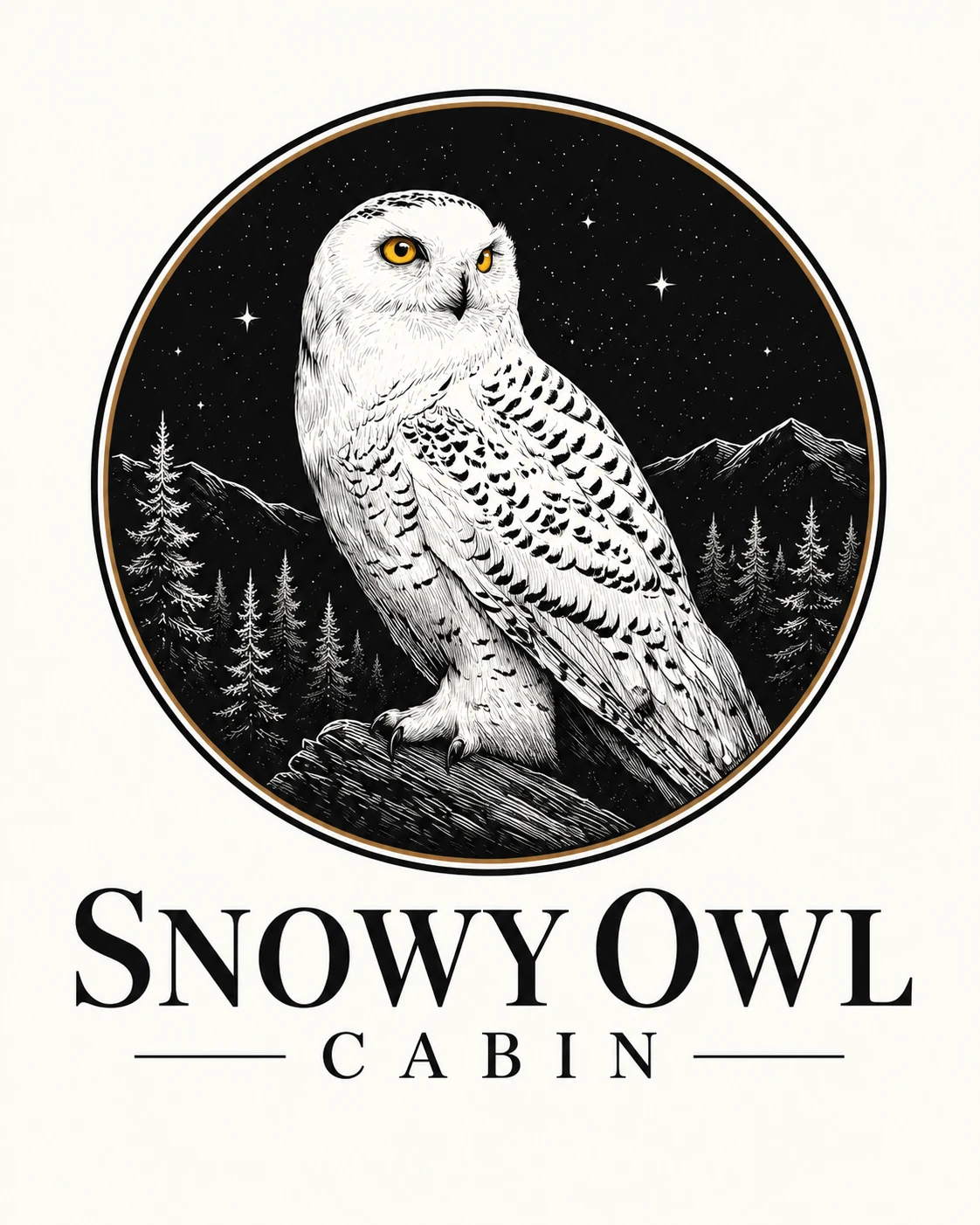
The logo system was developed to work across digital and printed media, giving a small rental property the same sense of authorship as a larger hospitality brand. The snowy owl acts as the memorable emblem; the wordmark and monogram create a quieter system that can live on collateral, signage, social media, or future guest objects.
Mountain culture, not mountain theme.
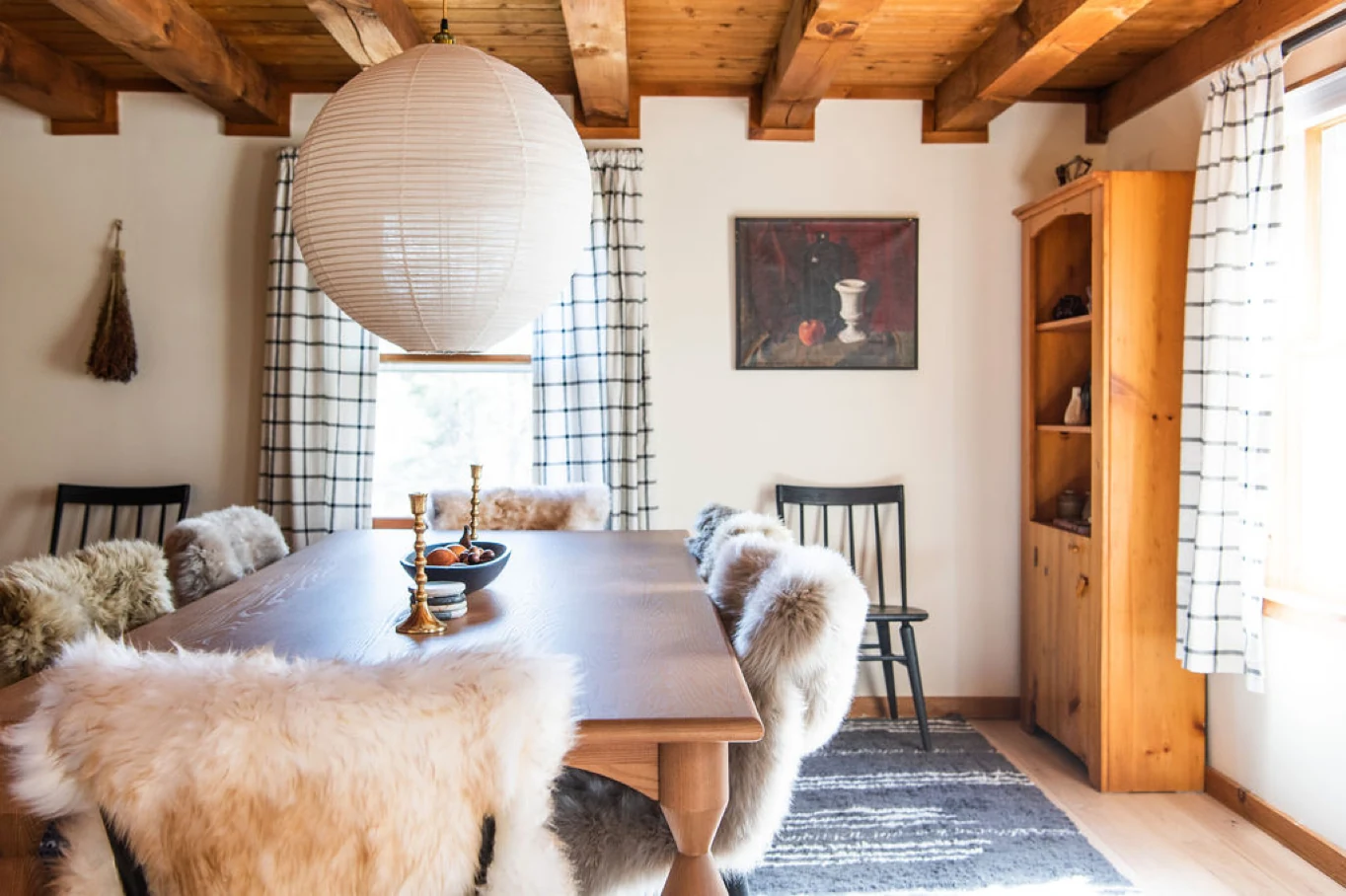
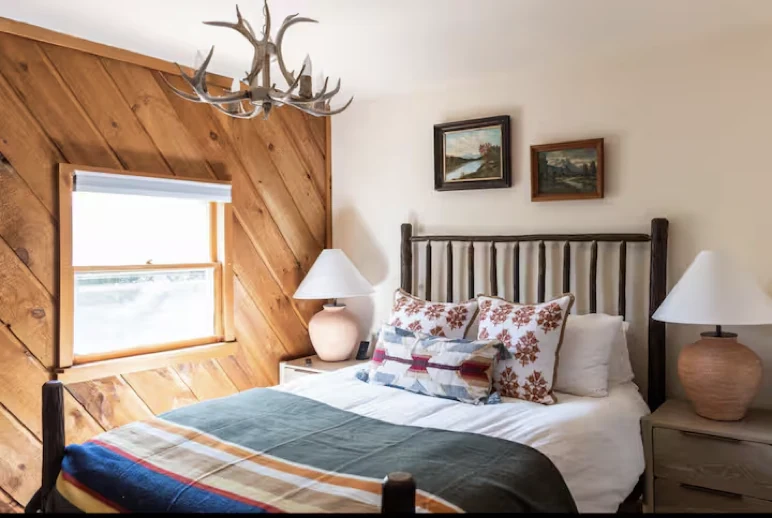
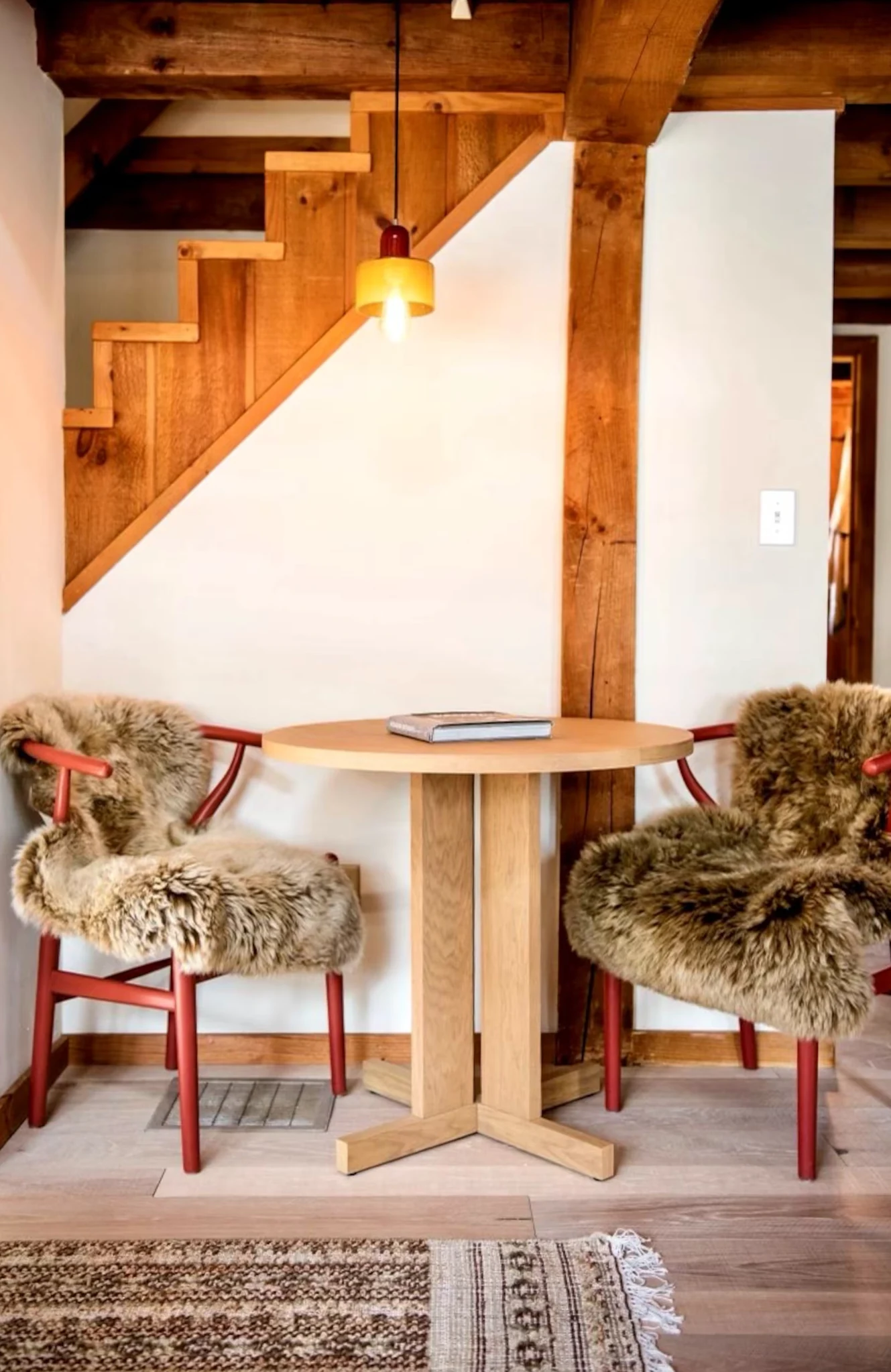
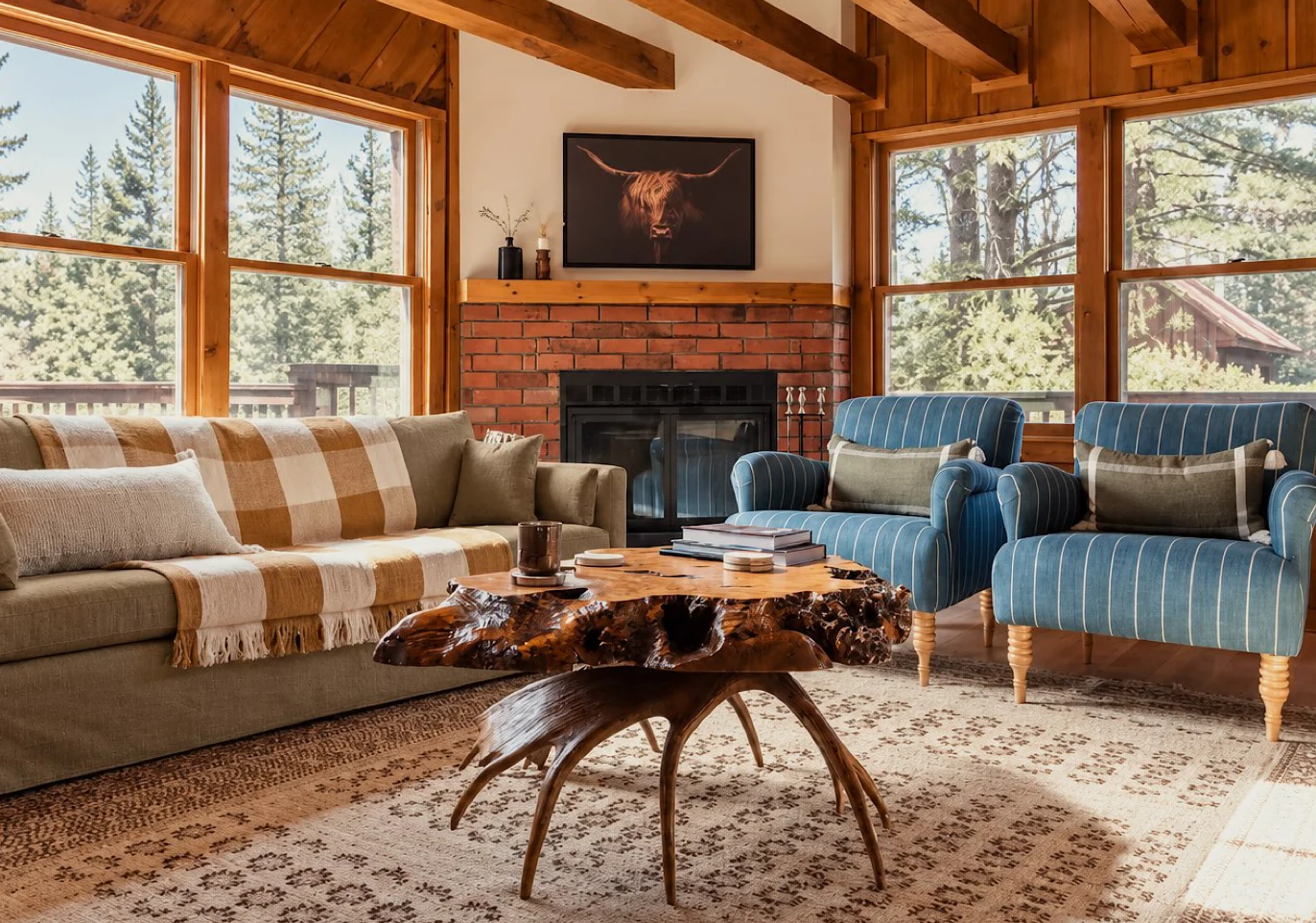
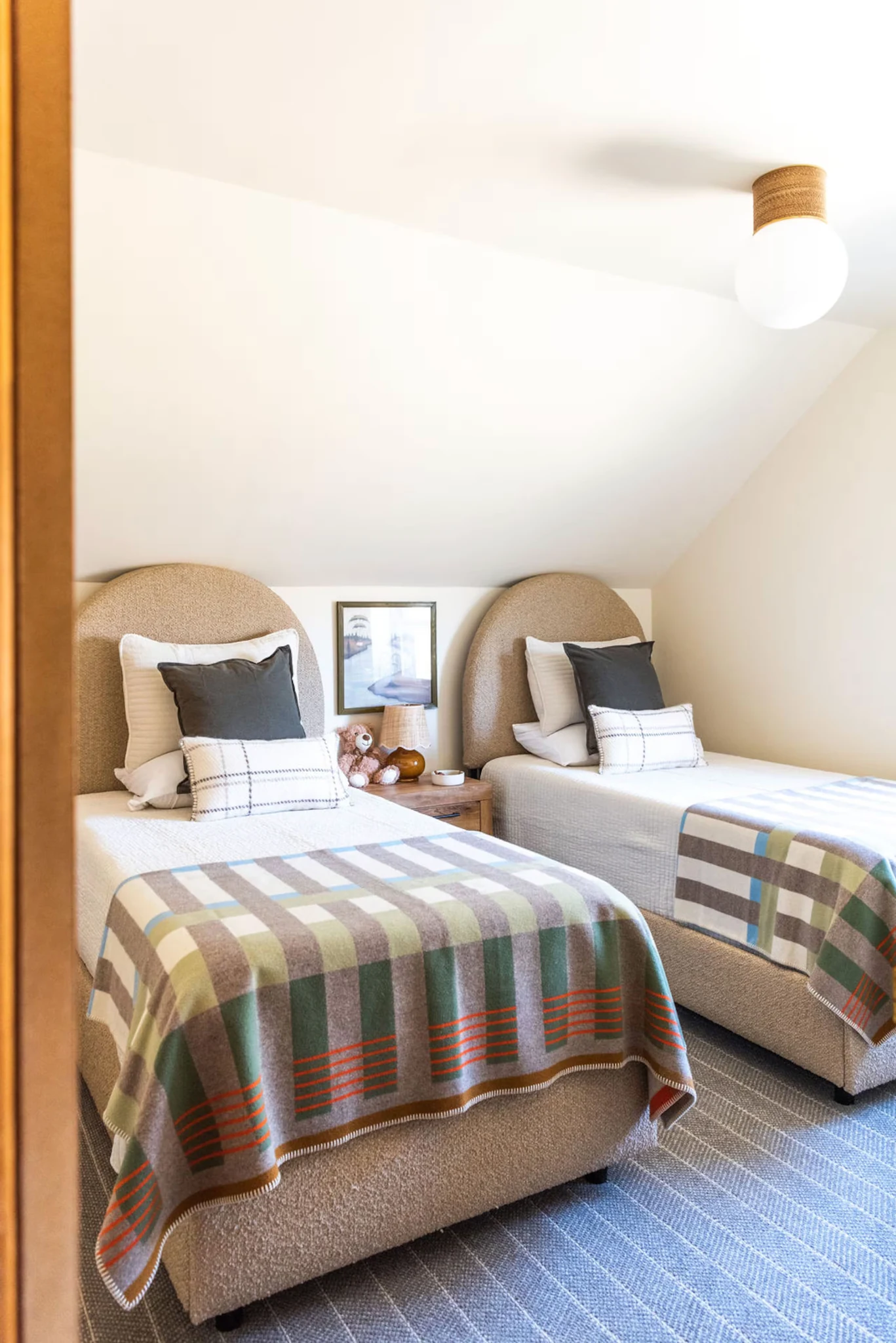
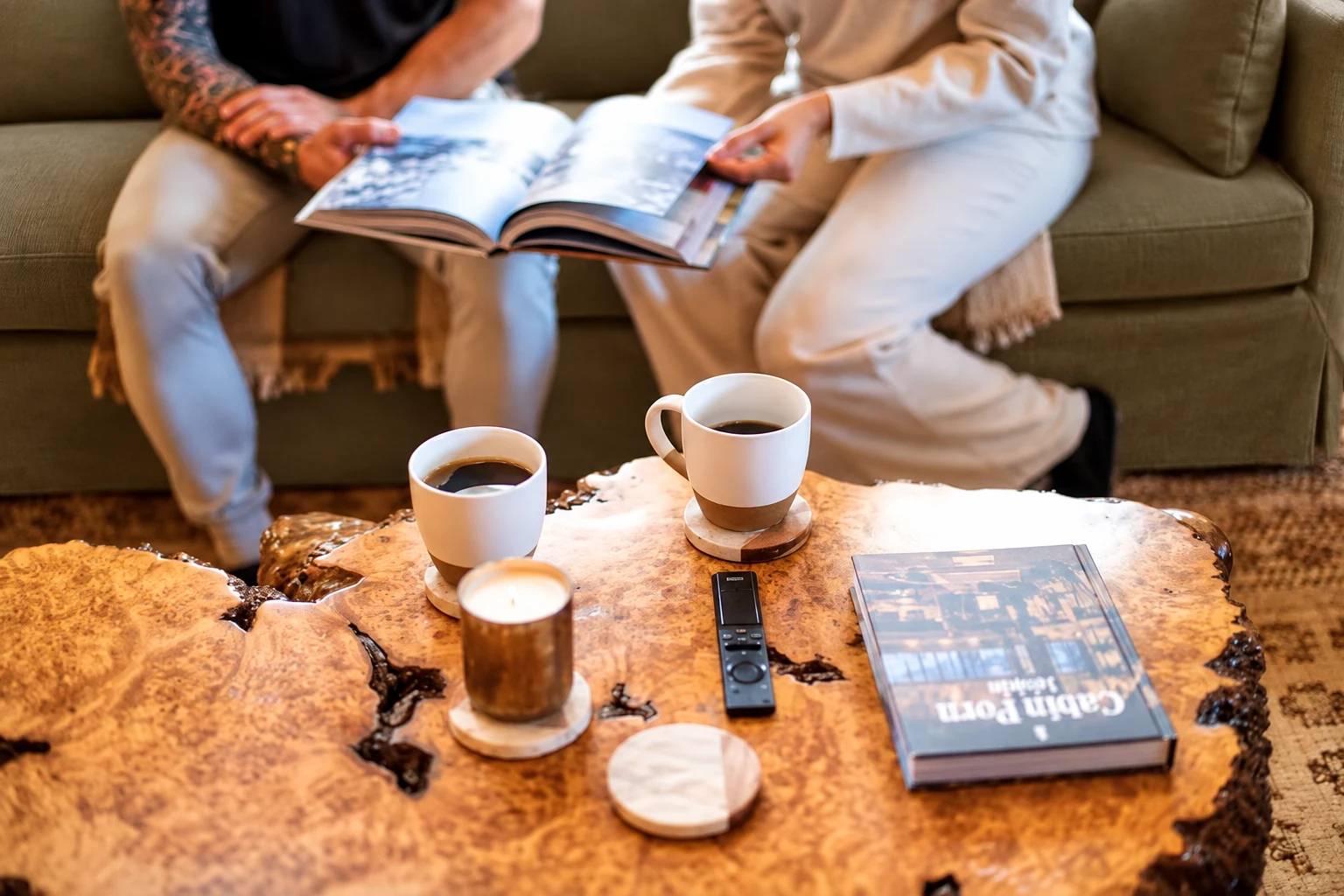
The interiors combine high-quality contemporary design, antiques, and tactile materials that reference mountain culture more broadly — wool, fur, timber, plaid, hand-thrown forms, landscape art, and books — while still feeling distinctly Vermont in character and ease. Rather than decorating around a single motif, the rooms build a layered language of warmth, utility, and familiarity.
Ritual, seasonality, and intimacy.
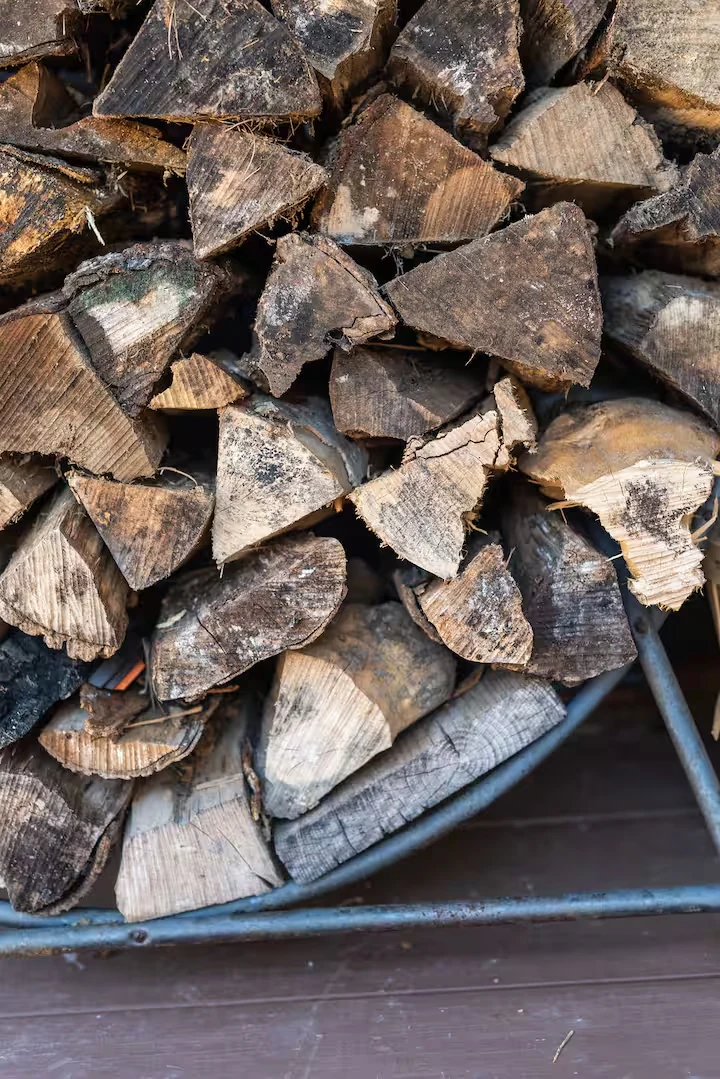
The imagery was designed to show more than the rooms. Morning coffee and a book. Firewood stacked for the evening. Cards after dinner. A fire outside as the light drops behind the mountains. These small cues help a potential guest imagine the rhythm of the stay — and make the property feel personal before they ever arrive.
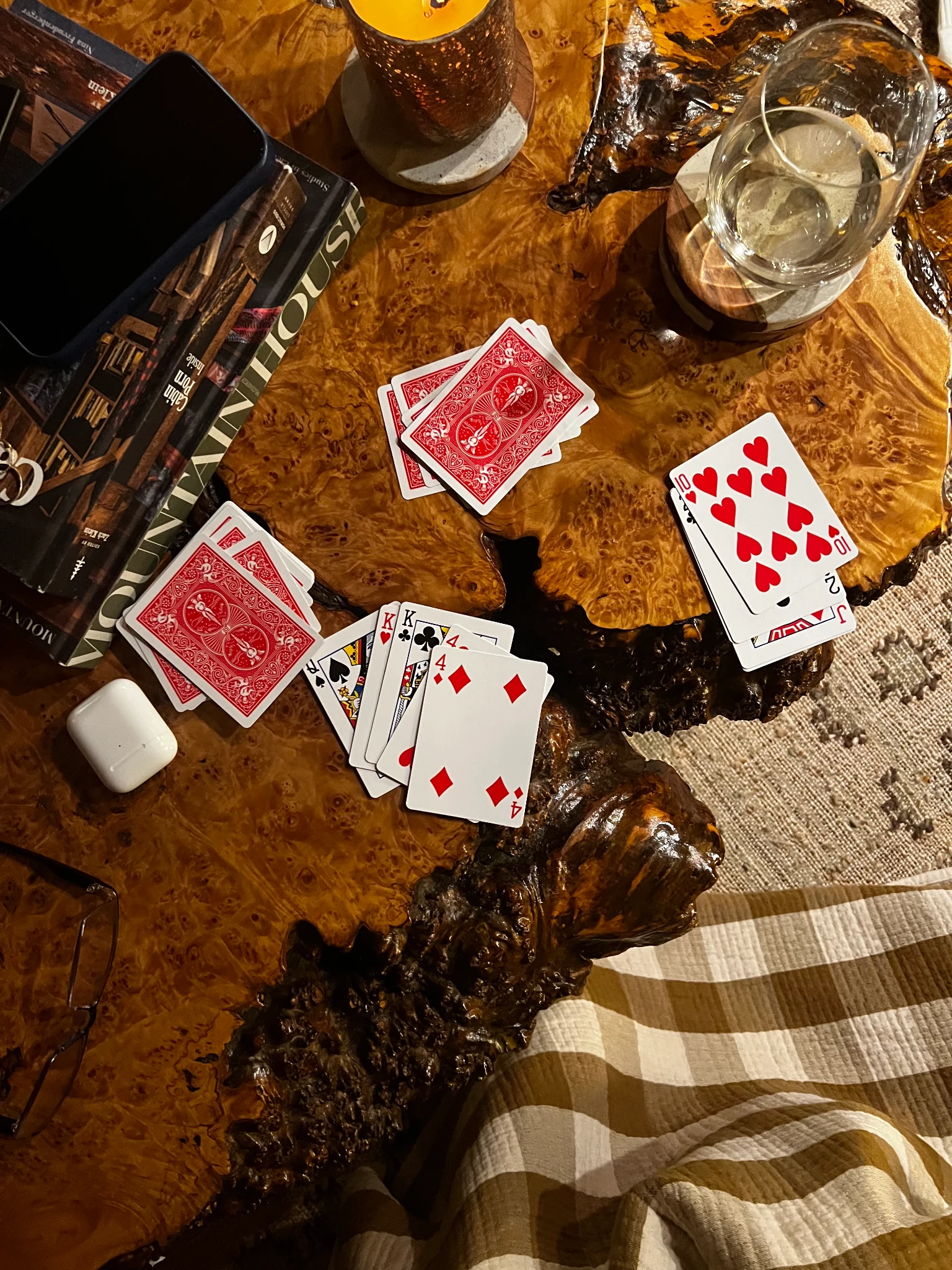
Curated enough to feel special. Relaxed enough to feel like home.
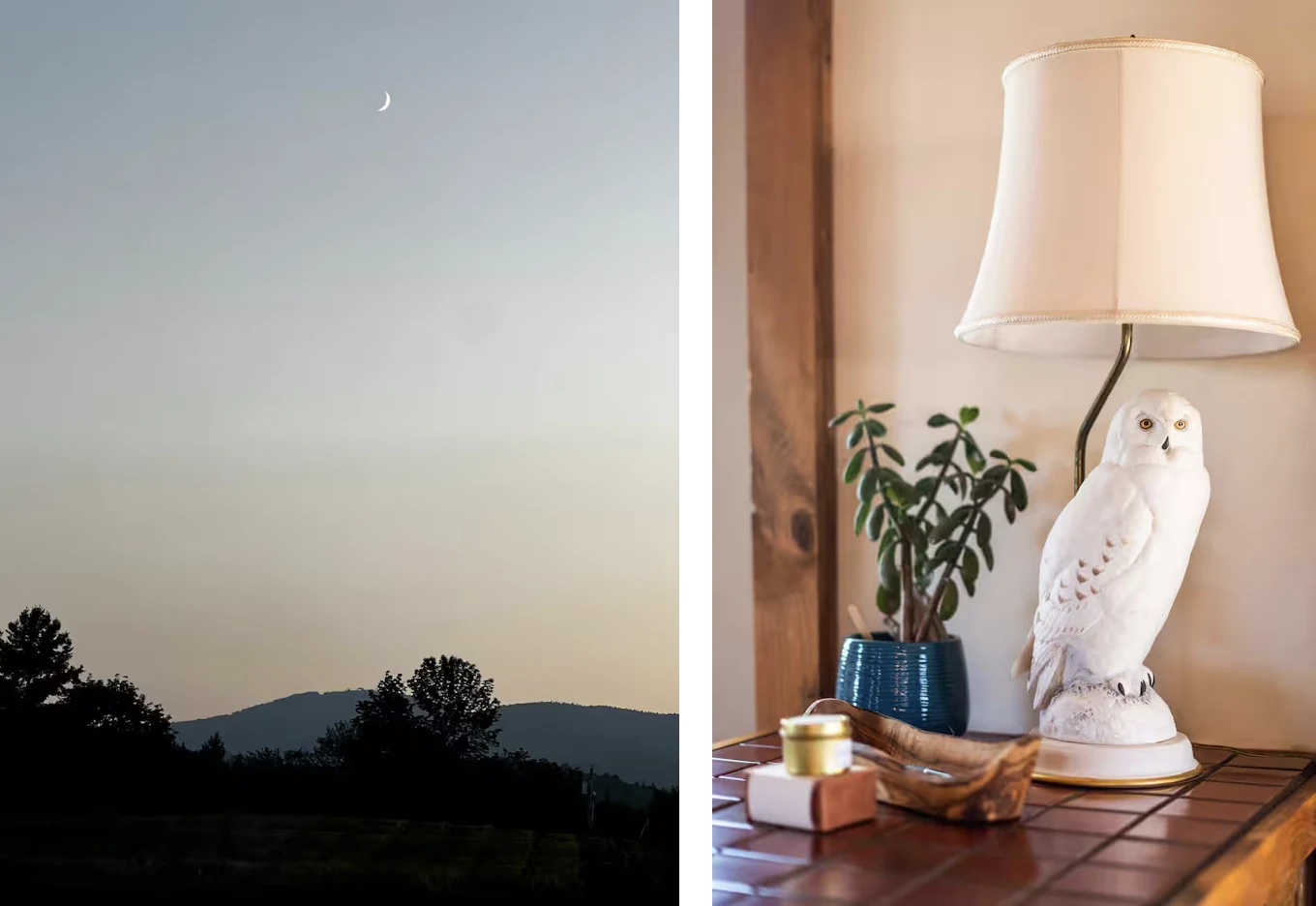
The experience is carried by small decisions: a vintage-feeling owl lamp, old books, pottery, tactile rugs, unexpected blue upholstery, a tiled shower, and a kitchen that still feels practical and lived in. The goal is not perfection. It is a sense that every object belongs to the same story.
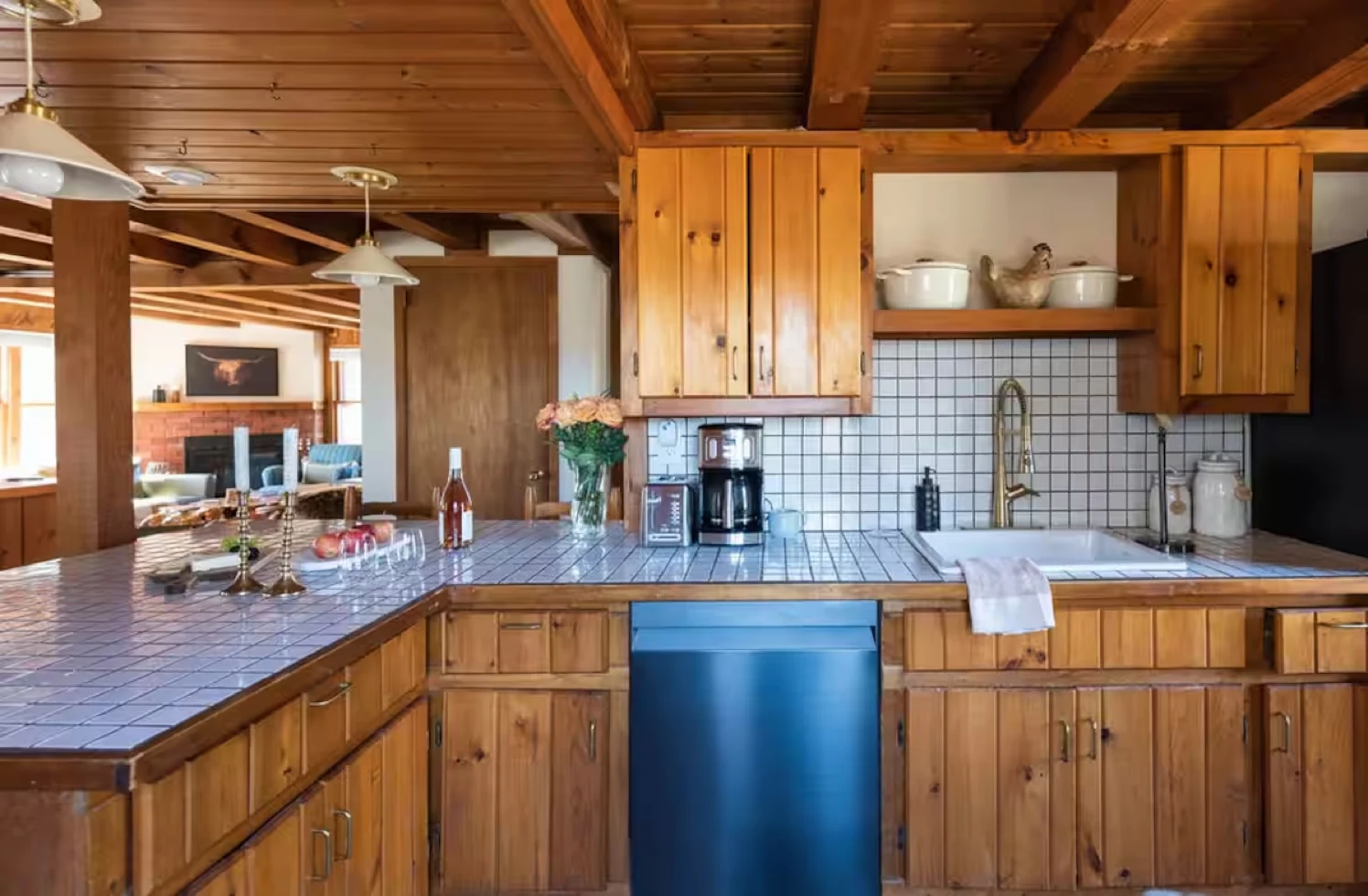
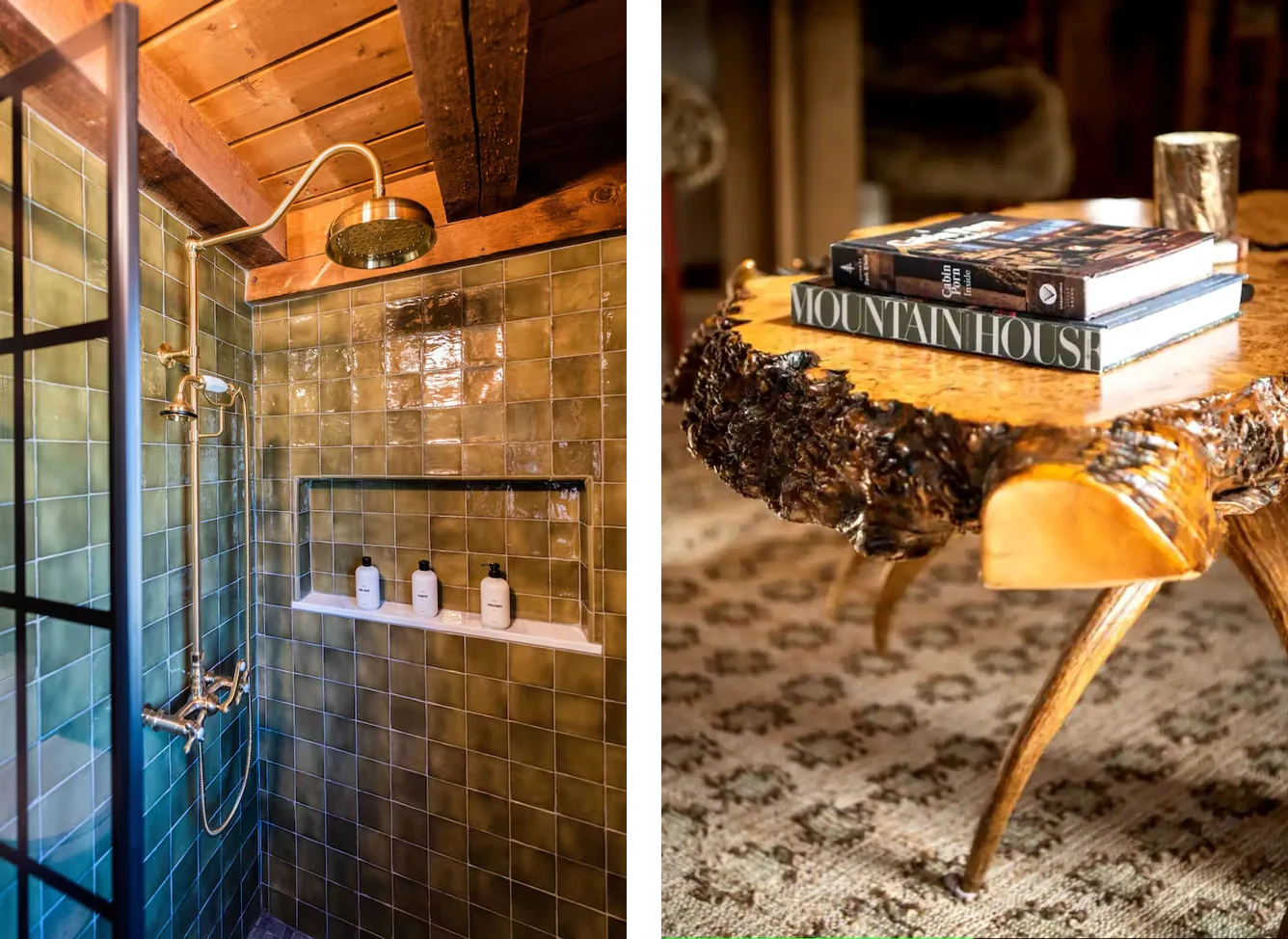
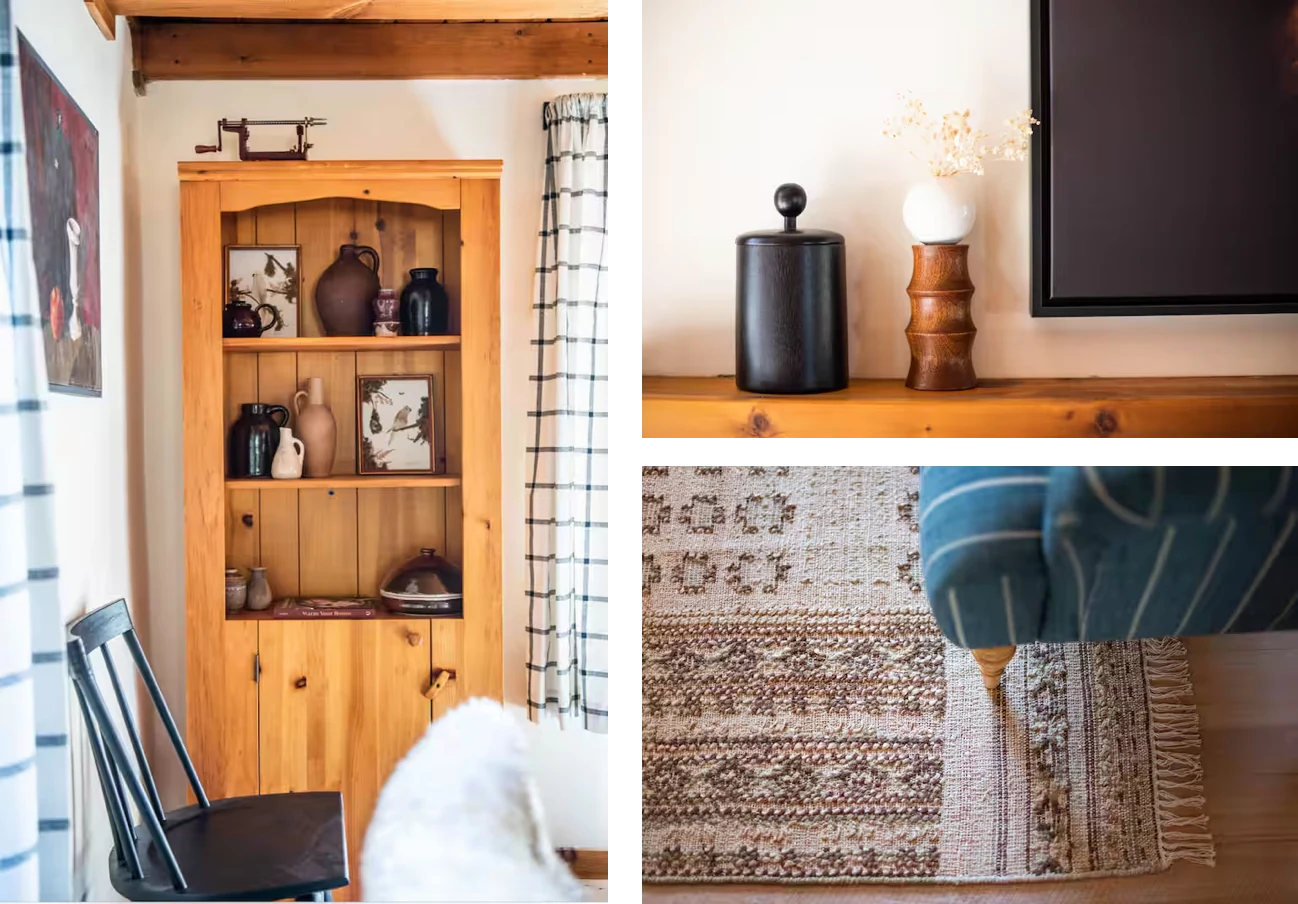
Branding does not require a large property. It requires a point of view carried consistently through space, image, object, and experience.